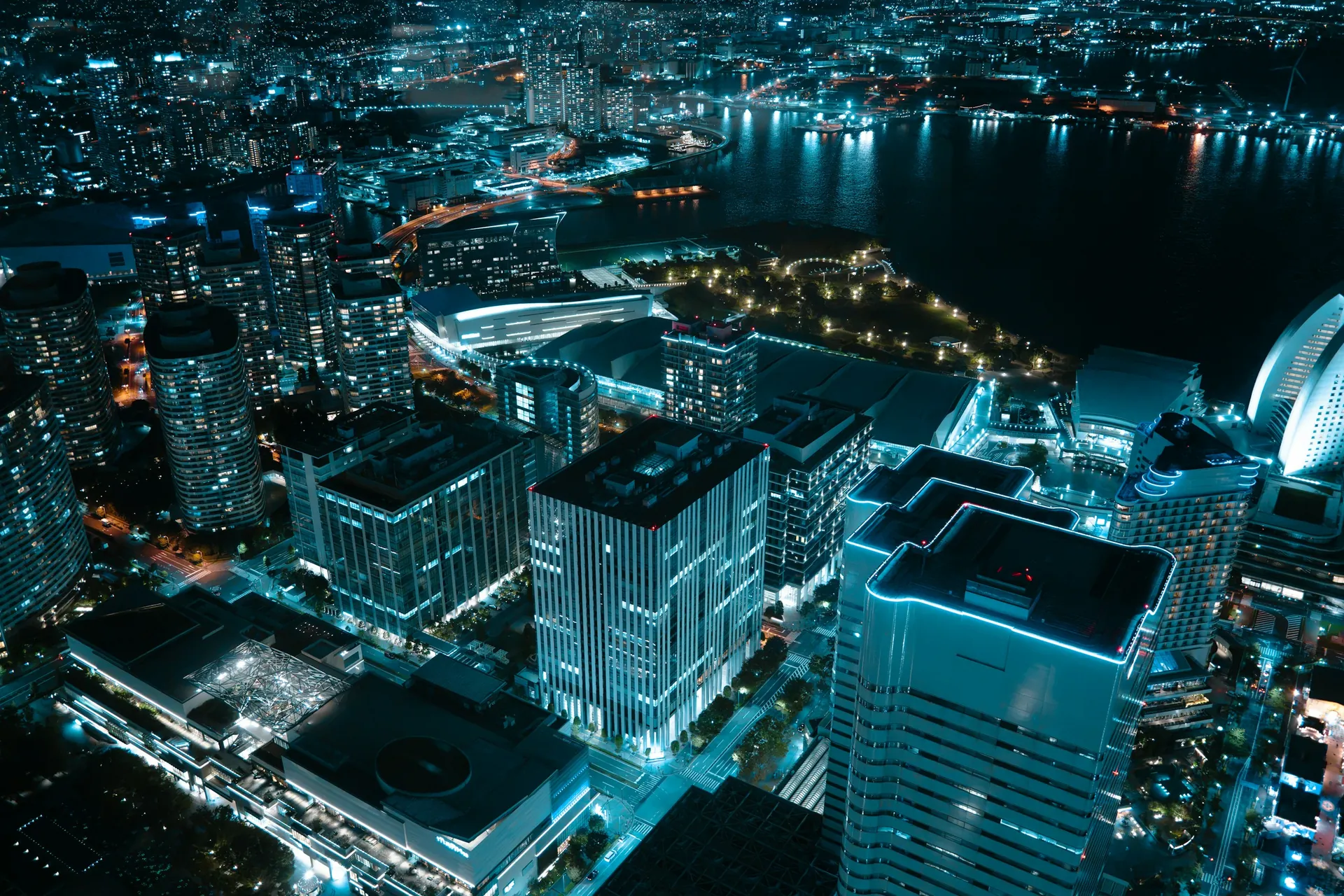
Every sector has its own water challenges. Every asset can be digitized.
From municipal utilities and remote communities to energy operators, farms and data centres, we digitize the assets that move and treat water and make their data accessible: faster analysis, remote monitoring and control, easier decisions. The approach is the same everywhere: understand the process, connect the equipment, analyze the data and improve the operation. Canada comes first, with international experience behind us.
Digitalization, applied to the way each sector actually works
Wherever water is pumped, treated or metered, digitized assets turn paper logs and routine site checks into data people can reach. Our primary focus is Canada: municipalities and water utilities; small, rural and remote community systems; industrial, oil and gas, and energy operators in Western Canada; agriculture on the Prairies; and data centres. We also work internationally, drawing on more than 25 years of water-sector experience, including significant work in Saudi Arabia.
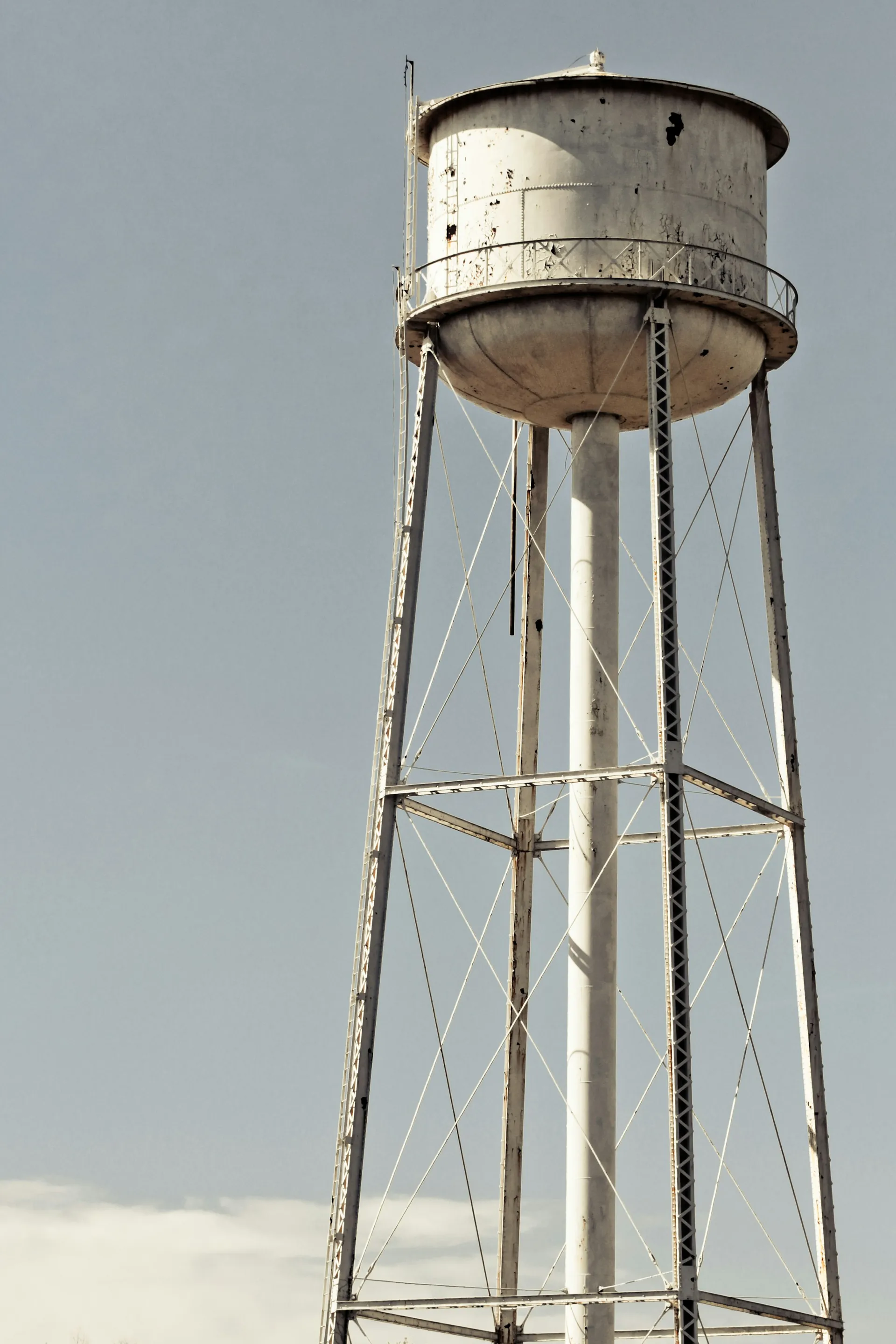
Municipal water & wastewater
Utilities, treatment plants, wastewater facilities, pumping stations and distribution infrastructure.
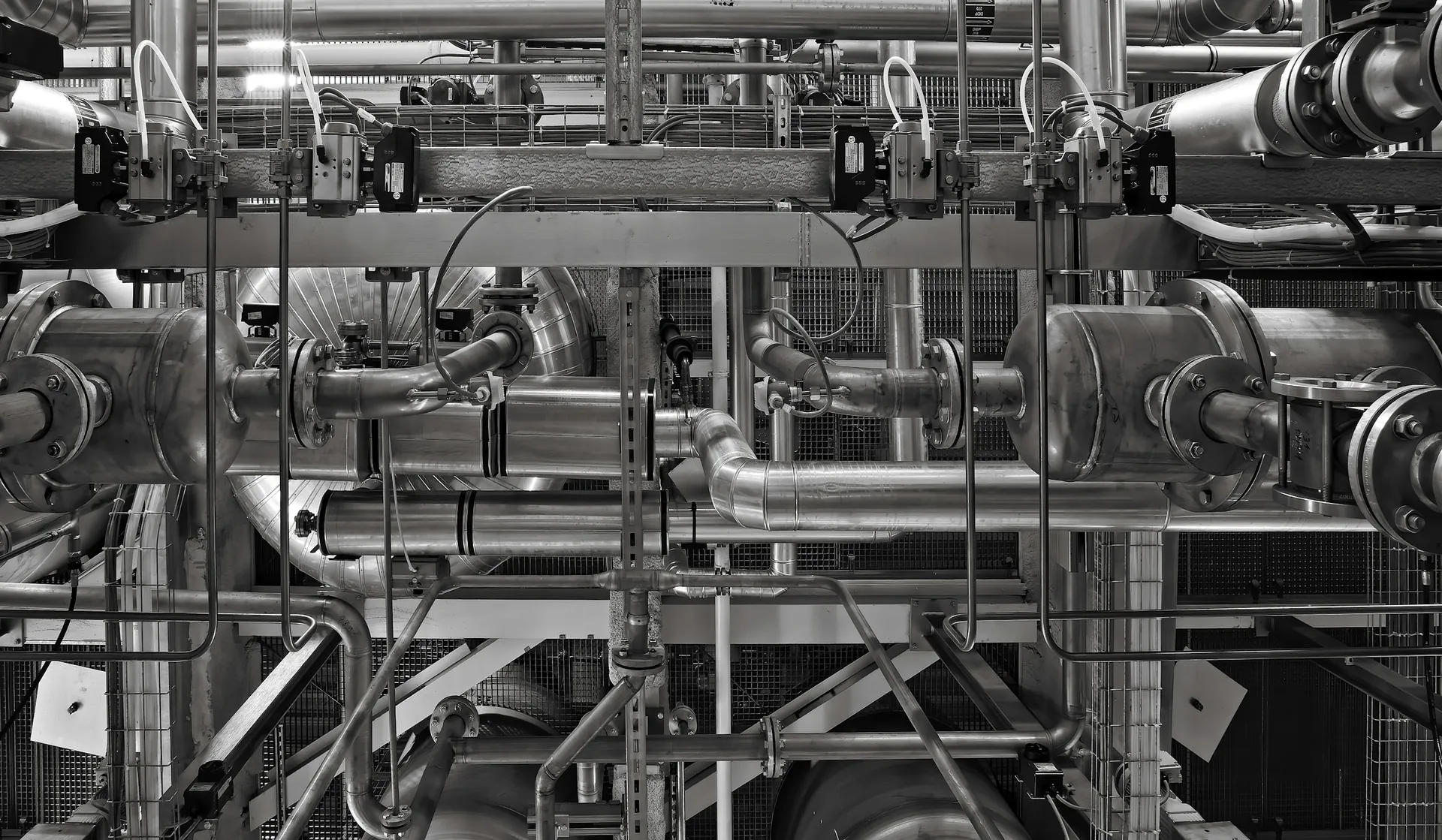
Industrial facilities
Industrial water, wastewater, automation and digitally connected operations.
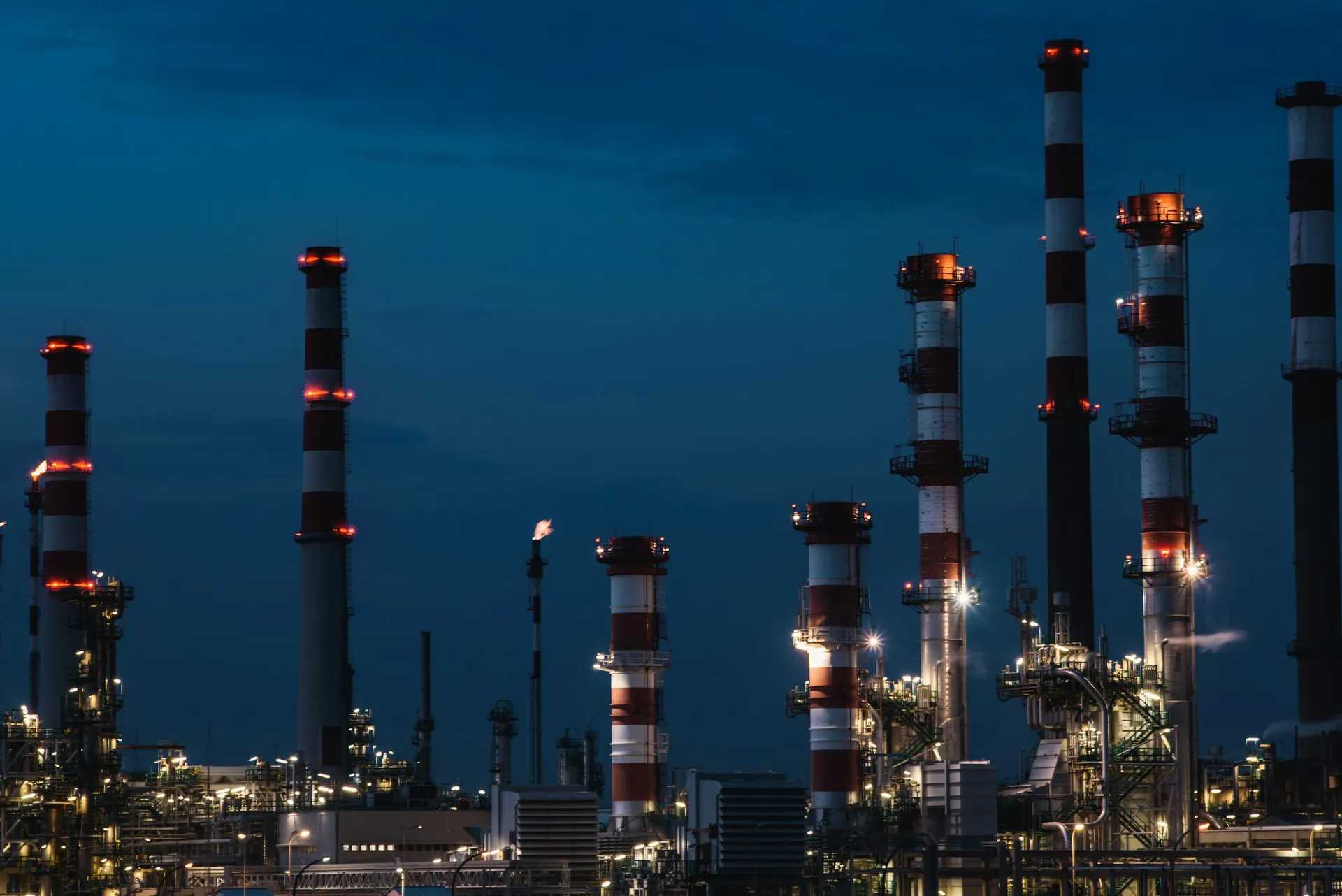
Oil & gas
Water treatment, industrial wastewater, process monitoring and remote visibility of unattended equipment.
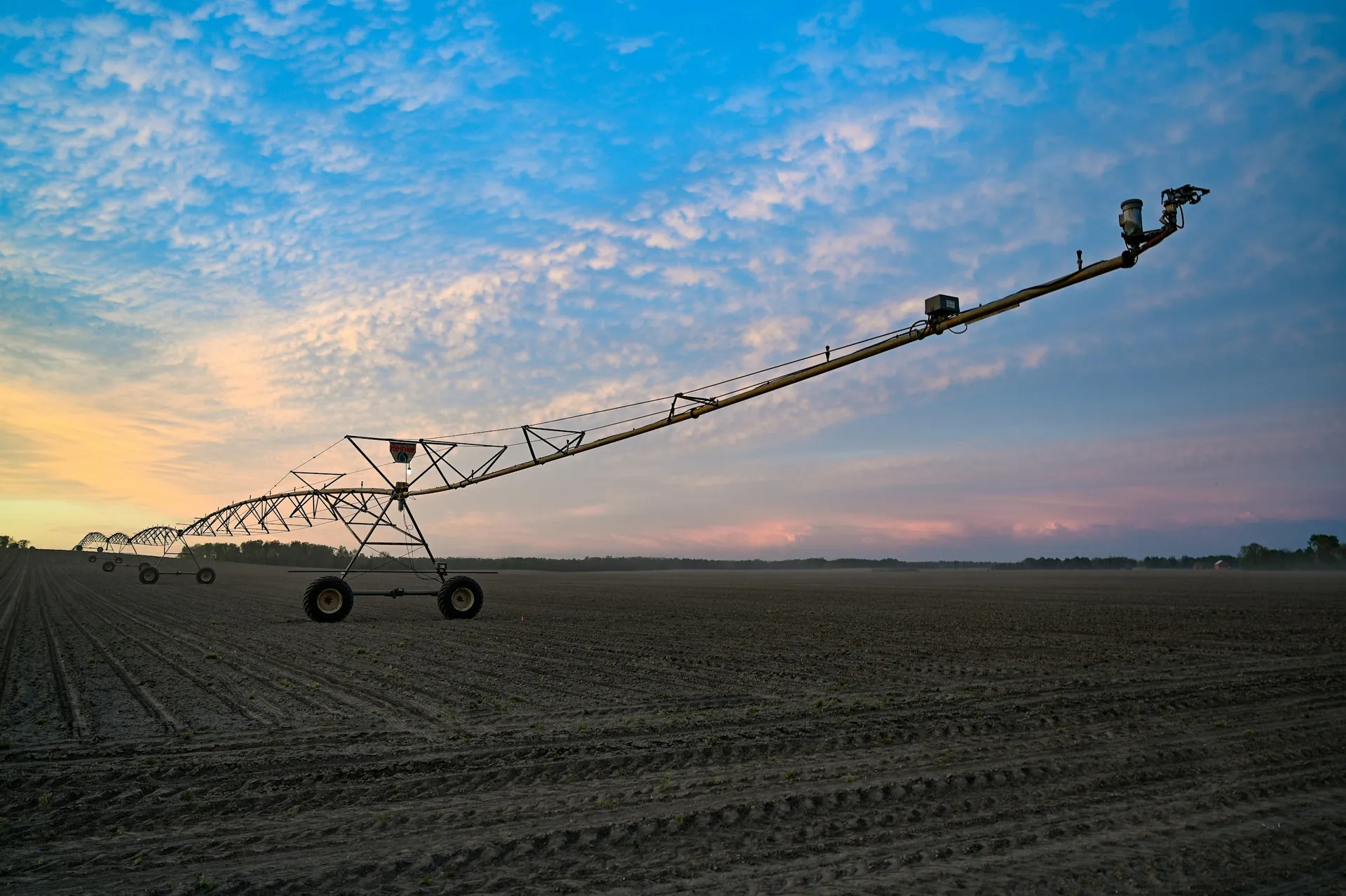
Agriculture
Smart irrigation monitoring, digital water metering, remote sensing and water management.
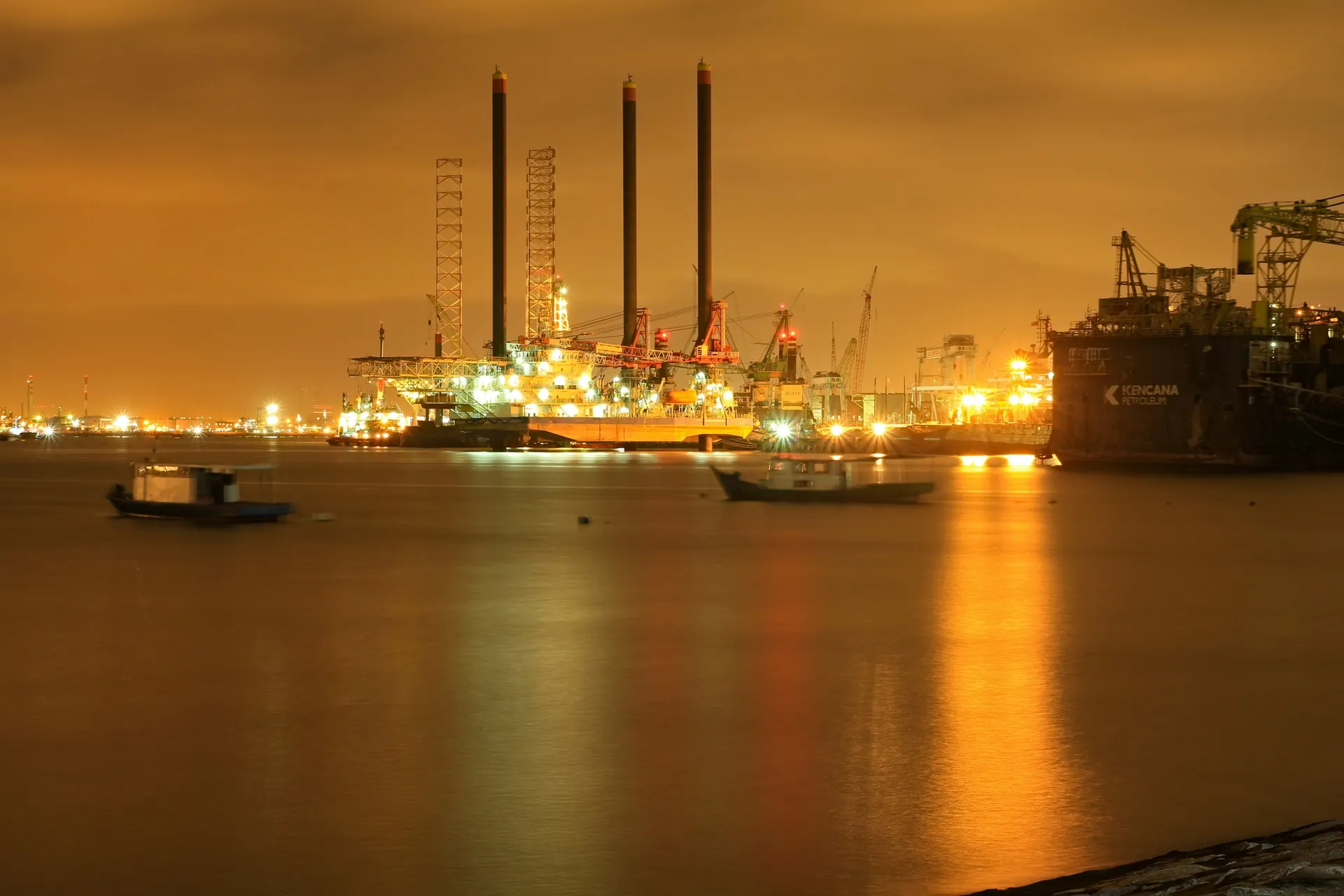
Energy
Water infrastructure, equipment-condition data and operational analytics.
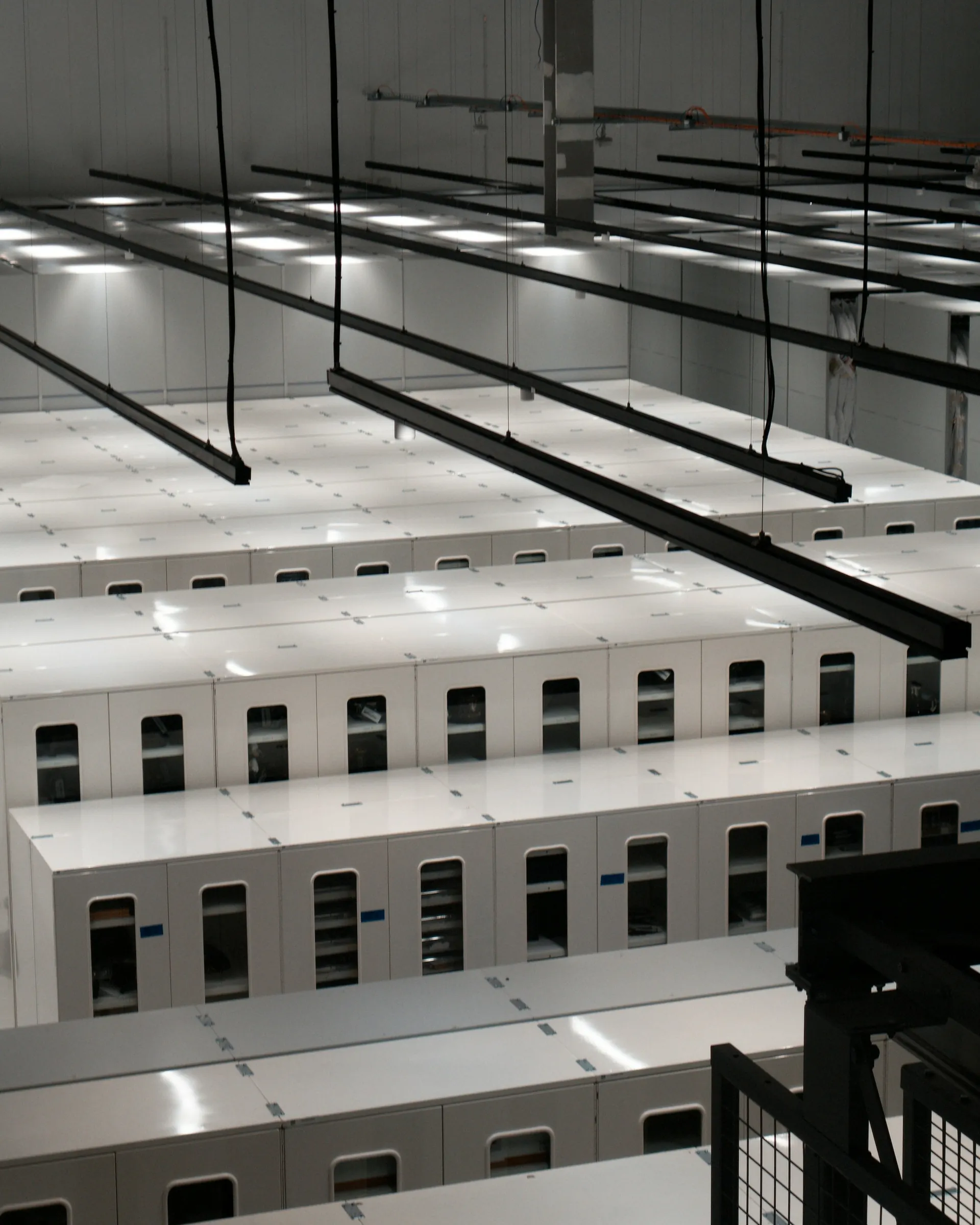
Data centres
Water infrastructure monitoring, cooling-related water systems and digitized facility assets.
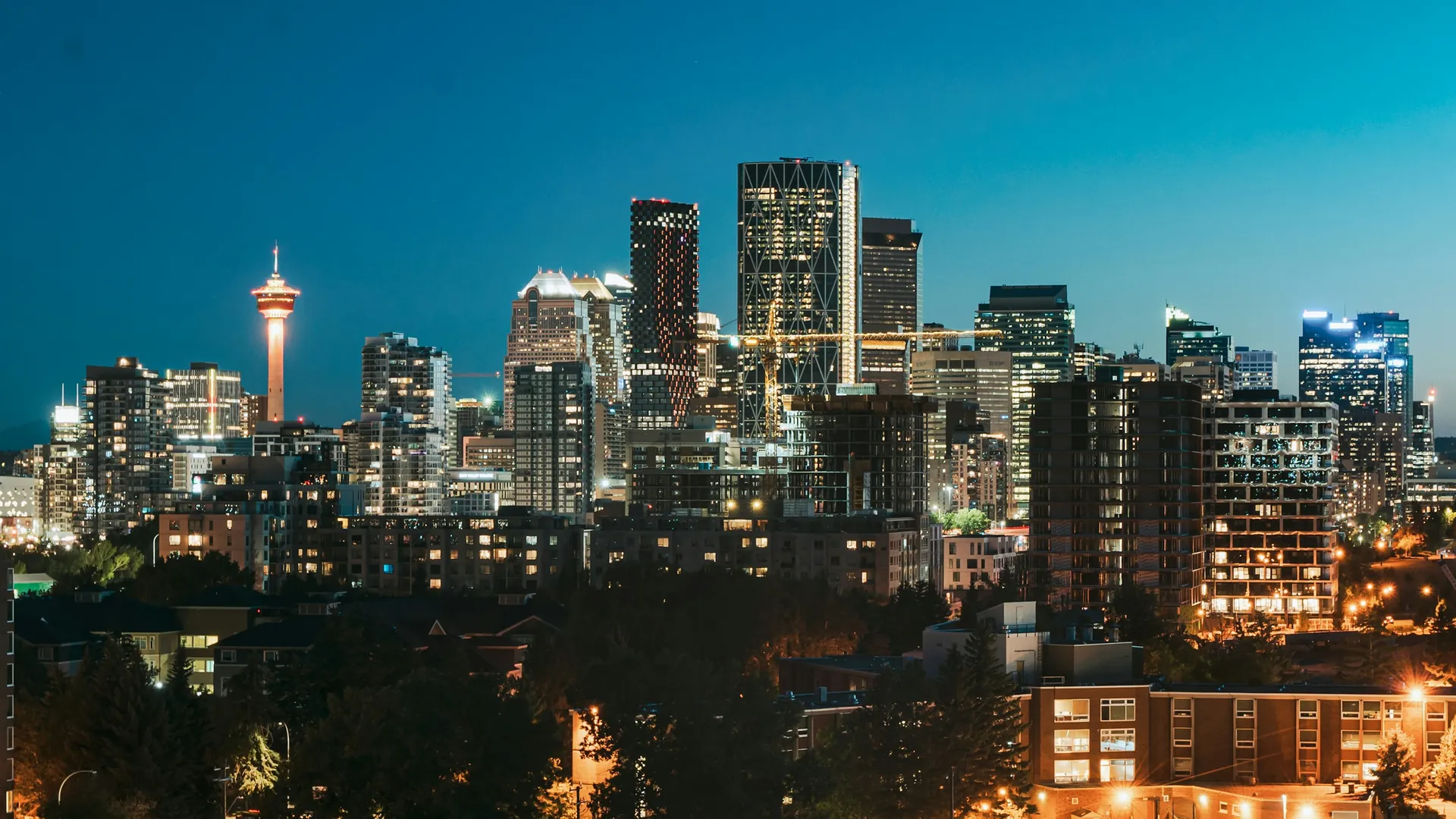
Infrastructure & smart cities
Smart metering, remote monitoring, digitized network assets and digital infrastructure.
Not sure where you fit?
Many sites span two or three of these. Tell us what you operate, and we will tell you where we can help.
Municipal water and wastewater
Canadian municipalities and water utilities deliver drinking water and collect and treat wastewater under provincial regulatory frameworks, with reporting and operator-certification requirements that vary by province.
Many systems combine aging pipes, pumps and treatment equipment with tight budgets and a stretched workforce. That is most visible in smaller communities, including rural and Indigenous community systems, where one operator may cover several sites separated by long distances and long winters.
Typical water challenges
Cold raw water and freeze-ups; long distances between wells, reservoirs, lift stations and plants; limited data from older control panels; water lost between the plant and the tap; the energy cost of pumping and aeration; and the need to show compliance with records that can be trusted.
What FlowVexa brings
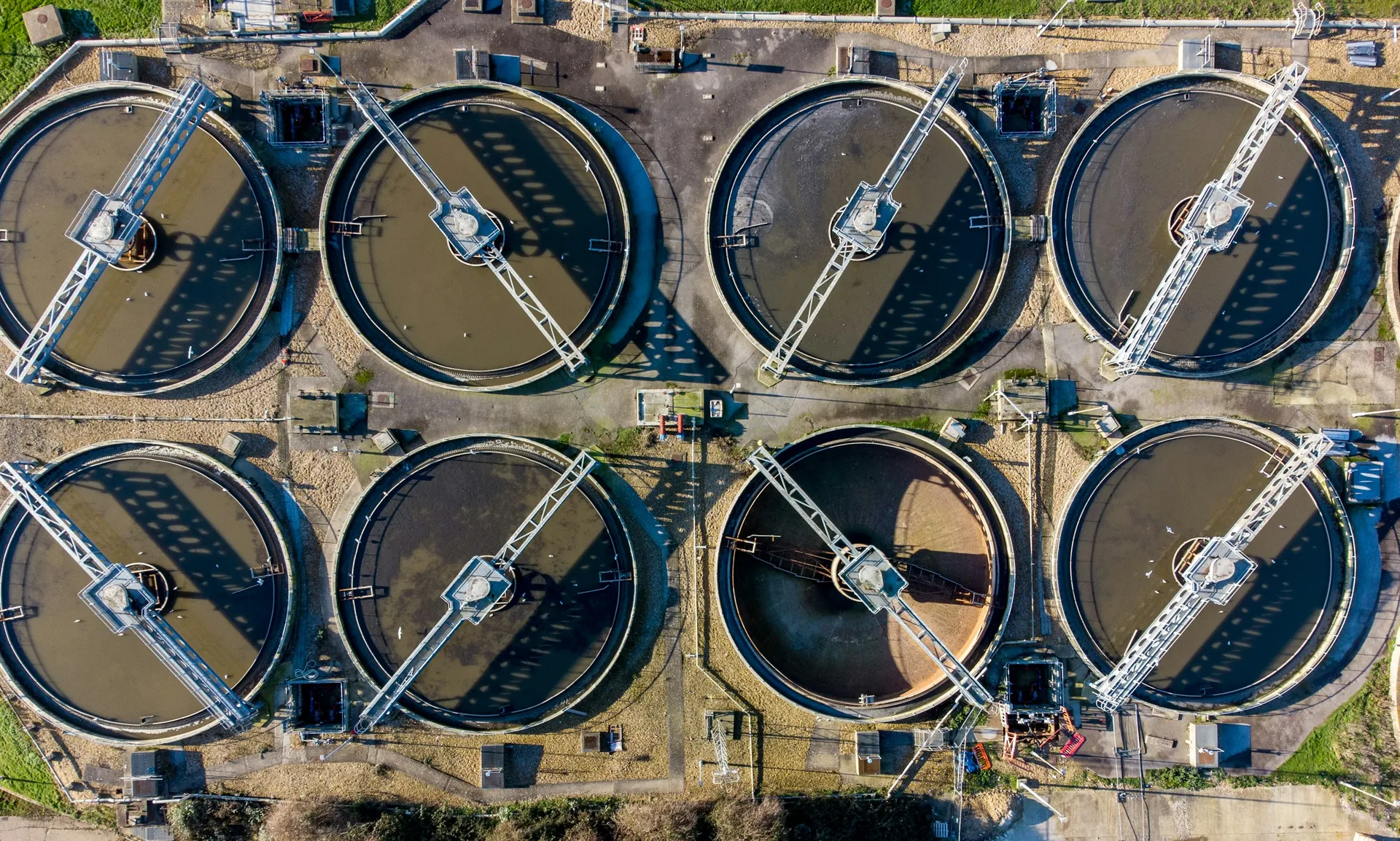
We digitize what the system already has. Wells, lift stations, reservoirs and treatment equipment become live data on one screen, so an operator covering several sites can check levels, runtimes and alarms remotely rather than driving out for a routine check. That digitalization rests on process engineering that starts from how the plant works, and on training so that operators can use the data. For a small system, a handful of well-chosen instruments, a gateway and a dashboard with alarm routing is often more useful than a large platform nobody has time to maintain.
Example applications
- Treatment-plant monitoring: turbidity, pH, chlorine residual and filter performance
- Wastewater process monitoring: dissolved oxygen, MLSS, effluent quality and energy
- Pumping and lift-station telemetry with runtime and alarm routing
- Reservoir and tank-level monitoring, including unmanned sites
- Distribution pressure and flow monitoring, smart metering and leak monitoring
- Logged records that support regulatory reporting
- Operator training and digital O&M
Relevant technologies
- PLC
- SCADA
- RTU
- LoRaWAN
- Smart metering
- Water-quality analyzers
- Dashboards
- Alarm management
Example applications
- Process-water treatment and polishing, including RO
- Boiler and cooling-water monitoring
- Industrial wastewater treatment and discharge monitoring
- Water balance and sub-metering by process area
- Reuse loops verified against measured quality
- Skid integration into a single SCADA or dashboard view
- Pump and motor condition monitoring
Industrial facilities
Water is often a small part of the cost line and a large part of the risk. A boiler scales up, a cooling tower fouls, an effluent excursion becomes a permit problem.
Manufacturing, processing and resource facilities use water in the process, in utilities and for cleaning, and they must treat or manage what leaves the site. Each use has its own quality requirement, so one facility can end up with several treatment systems from different suppliers.
Typical water challenges
Separate treatment skids with their own controllers and no shared view. Water metered at the site entrance but not by process area. Wastewater that varies with the production schedule. Scale and corrosion in boilers and cooling systems. Discharge limits and, in Canada, outdoor lines and equipment that have to survive winter.
What FlowVexa brings
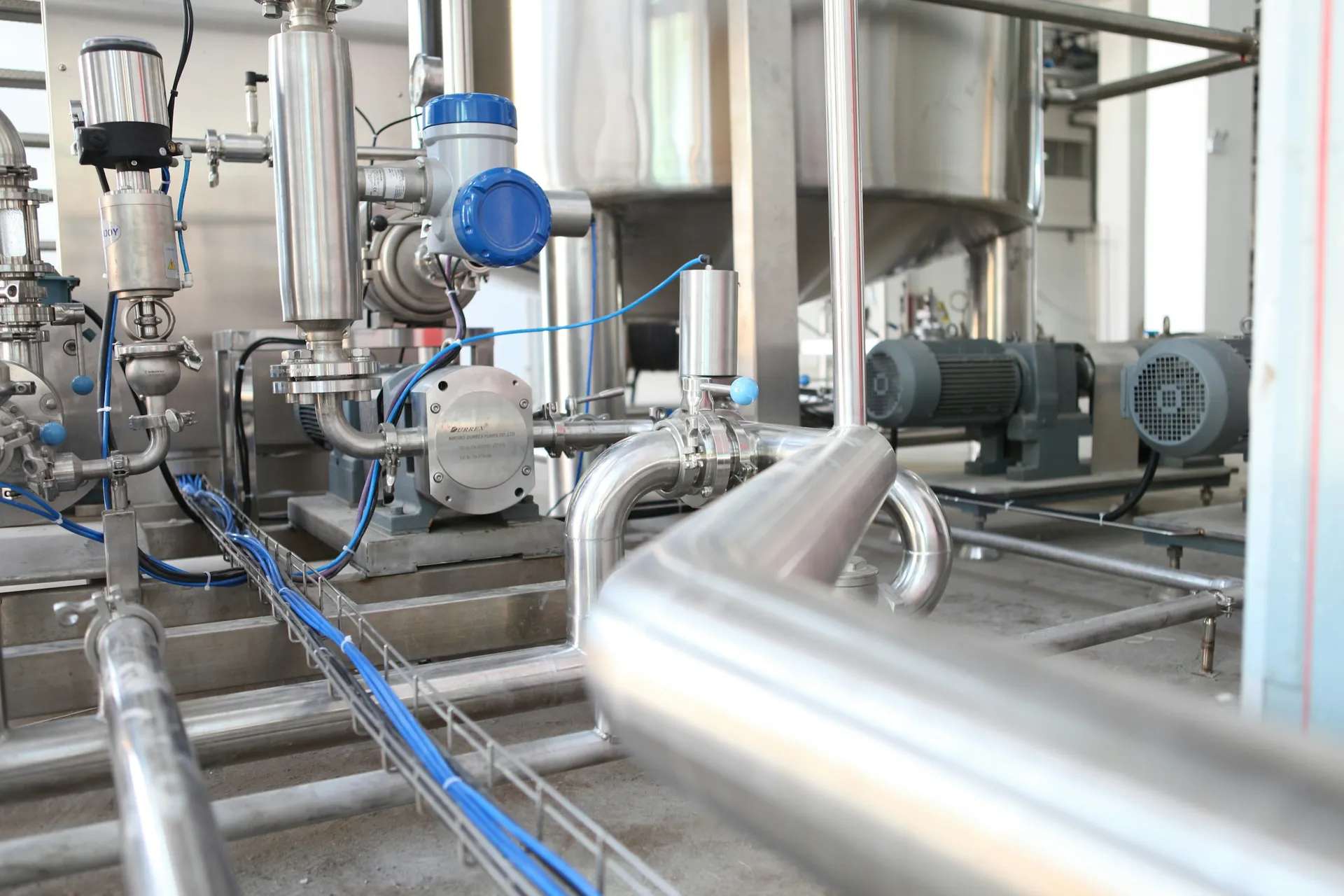
Industrial water and wastewater process knowledge, from pretreatment and RO to effluent treatment and reuse, together with the digital layer needed to see across it: skid controllers, meters and analyzers digitized into one data view, with water use visible by process area. We work with existing PLCs and skid controllers rather than asking for a rip-and-replace.
- RO
- Filtration
- Chemical dosing
- PLC
- SCADA
- IIoT
- Predictive maintenance
A typical starting point
Map the water
Where it comes in, where it is used, what quality each use needs and where it leaves.
Digitize and connect
Meters, analyzers and controllers digitized and brought into one view, without replacing what works.
Act on it
Tune dosing, schedule maintenance, check reuse options and keep records for permits.
Oil and gas
Oil and gas operations in Western Canada use and generate water across production, processing and midstream facilities, often at remote sites with small crews, harsh winters and demanding environmental expectations. Water treatment, industrial wastewater and the equipment that moves and treats water support the core operation, and when they fail, the core operation often follows.
Our process and automation experience applies to the water side of these facilities: treating make-up and boiler-feed water, managing industrial wastewater and keeping unattended equipment visible. We focus on water and the data around it, and we work alongside the operator’s own process specialists rather than in place of them.
Pressures
Remote sites and long drives. Cold-weather reliability. Environmental performance and reporting expectations. The cost of downtime and of sending people to site to check a gauge.
Typical water challenges
Process and boiler-feed water quality. Industrial wastewater treatment and variable loads. Chemical dosing that is hard to verify at remote sites. Pumps and treatment skids that run unattended, and freeze protection for lines and instruments.
What FlowVexa brings
Water treatment and industrial wastewater process knowledge, process monitoring and automation, and digitized remote sites: tanks, pumps, dosing and treatment skids reporting through telemetry, so a gauge can be read from the control room instead of at the end of a long drive. We approach operational technology with security in mind: network segmentation, access control and secure remote connectivity.
Example applications
- Process and boiler-feed water treatment
- Industrial wastewater treatment and monitoring
- Chemical dosing monitoring and control
- Remote telemetry for tanks, pumps and treatment skids
- Alarm management and on-call escalation
- Pump condition monitoring
- OT network segmentation and secure remote access
Relevant technologies
- RTU
- Modbus
- DNP3
- SCADA
- LoRaWAN
- Cybersecurity
Related
Industrial water and wastewater SCADA and automation OT cybersecurityAgriculture
Prairie agriculture relies on a dependable water supply for irrigation, livestock, greenhouses, nurseries and processing.
Supplies are seasonal, spread across large distances and expensive to check by driving the land. Seasons are short enough that a failed pump or an empty tank matters quickly, and in winter, lines have to be drained or protected so they survive until spring.
Typical water challenges
Wells, pumps and tanks scattered over large areas. Little or no cellular coverage at some fields. Water use that is read by hand, or not at all. Source-water quality, such as salinity, that limits what a crop or greenhouse can use. Small teams with many competing jobs.
What FlowVexa brings
LoRaWAN is a natural fit for this setting: low power, long range and small battery-powered sensors. We digitize wells, tanks, pumps and flows, so hand-read meters and long drives give way to readings and alerts on a phone, and we can support water treatment where source quality is a limit. Our international experience includes desalination for agricultural and nursery applications in Saudi Arabia, which informs how we think about treating saline or brackish water for growing.
- LoRaWAN
- Smart metering
- Environmental sensors
- BWRO
- Dashboards
- Mobile alerts
Example applications
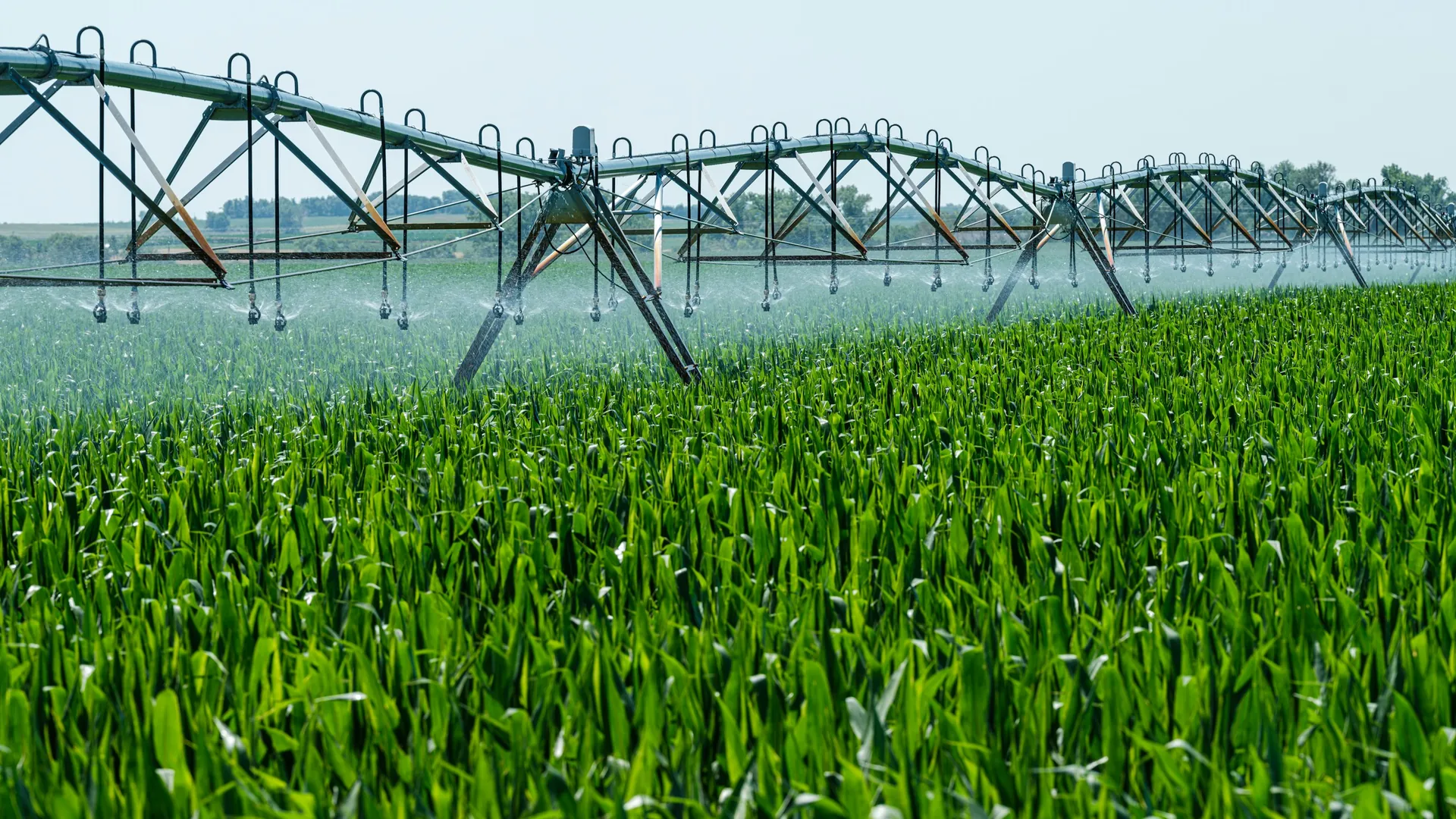
- Smart irrigation monitoring: flow, pressure and pump status
- Well and tank-level monitoring with phone alerts
- Water metering and use tracking
- Remote sensing with environmental sensors
- Source-water quality: conductivity, TDS and pH
- Agricultural desalination and brackish-water RO where source quality limits use
- Greenhouse and nursery water management
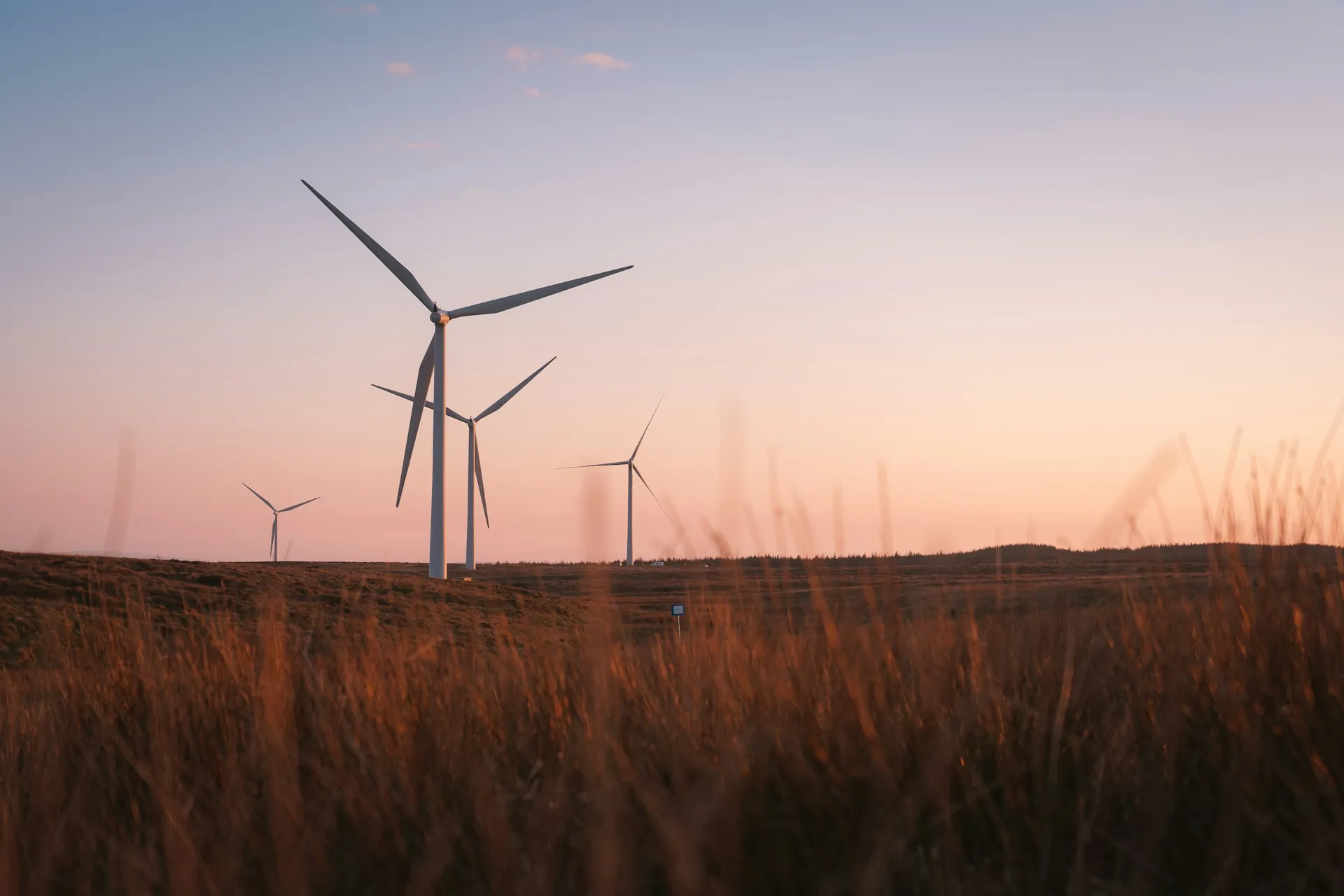
When the water system stops, the plant stops. Digitized, it can warn you first.
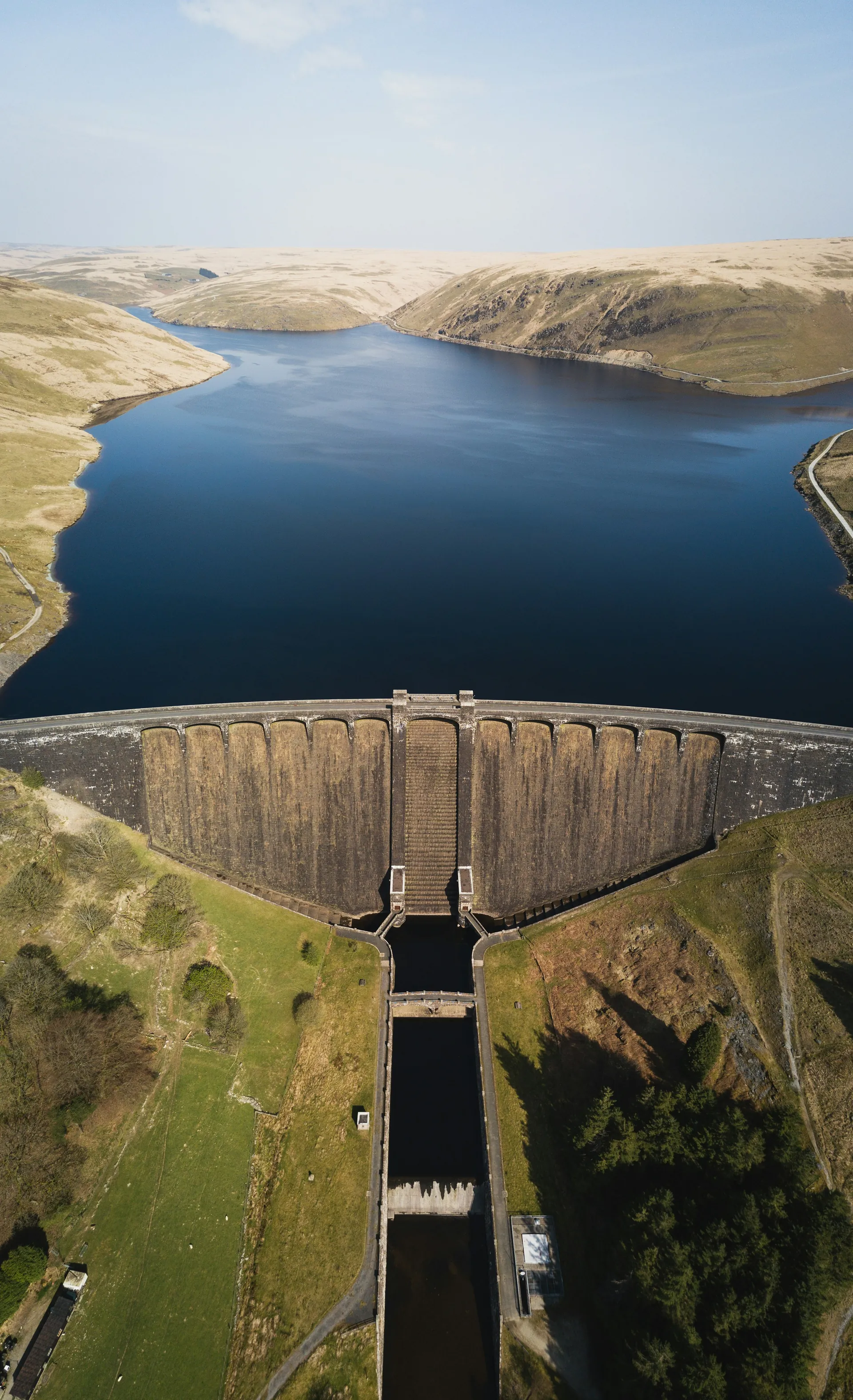
Energy
Energy facilities use water for cooling, steam, process and fire protection, and manage water streams tied to permits and uptime. Water systems here are support infrastructure, and the plant stops when they do.
Operators in Western Canada run generation, processing and midstream sites that are often remote, lightly staffed and exposed to cold weather. Equipment is expected to run for years with limited intervention, so knowing its condition matters as much as knowing the process.
Typical water challenges
Cooling-water chemistry and scaling. Boiler-feed quality. Intake and discharge limits. Pumps, motors and valves that run unattended. Operational data scattered across systems that do not talk to one another.
Equipment condition is where digitalization tends to pay off first. A pump’s motor current, discharge pressure, vibration and runtime already say a lot about its health. The work is to collect those signals reliably and compare them with what normal looks like for that particular machine.
What FlowVexa brings
Water infrastructure expertise combined with digitized equipment condition and operational analytics. We connect pumps, motors, valves and water-quality instruments to a common data view, so trends and alarms are visible together, on site or remotely. Condition monitoring and predictive maintenance focus effort on equipment that is changing rather than equipment that is simply old.
- Condition monitoring
- Predictive maintenance
- RFID
- SCADA
- Analytics
- OT security
Example applications
- Cooling-water and boiler-feed monitoring
- Pump and motor condition monitoring
- RFID asset records for inspections and maintenance history
- Water and energy KPI dashboards
- Alarm analysis to reduce nuisance alarms
- Remote-site telemetry
- Predictive-maintenance pilots on critical rotating equipment
Data centres
Data centres turn electricity into heat, and a large share of that heat is removed with water, either through evaporative cooling or through closed chilled-water loops.
Water use, water quality and leak risk have become design and reporting questions for operators. In Canada, the cold climate can reduce mechanical cooling for part of the year, but the water systems behind it still need to be reliable and protected from freezing.
Typical water challenges
Cooling-water chemistry: scale, corrosion and biological growth. Make-up water supply and blowdown. Leak detection in loops and under floors. Tracking water use against energy use, including water usage effectiveness (WUE) where operators report it. Connected facility assets that need identity, location and maintenance history.
What FlowVexa brings
Water infrastructure monitoring, expertise in cooling-related water systems and a digitized-asset approach, in which pumps, valves and meters can carry an RFID identity linked to their readings and maintenance history. We integrate that water data with building management and SCADA systems rather than adding another silo, so water use and leak alarms sit beside energy data for faster analysis.
- Cooling-water monitoring
- Leak detection
- RFID
- Building management integration
- Modbus
- Dashboards
Example values for illustration only. Not data from a FlowVexa installation.
Example applications
- Cooling-water monitoring: conductivity, pH, temperature and flow
- Make-up water metering and water-use tracking
- Leak detection in loops and technical spaces
- Chemical dosing monitoring
- Treatment of cooling make-up water, such as softening or RO
- RFID identity and maintenance history for pumps, valves and other assets
- Integration with building management and SCADA, with alarm routing
Infrastructure and smart cities
Cities, campuses and developments are adding connected meters, sensors and monitoring to water, stormwater and building systems. Digitalization pays off when data from many small devices ends up in a form people can use.
Canadian municipalities face aging pipes and lean maintenance budgets, so knowing where water is lost, which assets are failing and where to send a crew first has direct value. Long distances across a municipality favour remote monitoring over manual readings and site visits.
Typical water challenges
Manual meter reads. Non-revenue water and slow leak detection. Fragmented systems from different vendors. Asset records held on paper or in spreadsheets. Choosing connectivity and platforms without being locked into a single supplier. Securing a growing number of connected devices.
What FlowVexa brings
Smart metering, remote monitoring, connected assets and digital infrastructure, designed around open protocols so that devices and platforms can be mixed and changed over time. Meter reads, leak alarms and asset records arrive as digital data rather than paperwork, which helps decide where to send a crew first. LoRaWAN and cellular networks both have a place, depending on coverage, cost and battery life.
- Smart metering
- LoRaWAN
- RFID
- Remote monitoring
- Open protocols
Example applications
- Smart water meters and remote meter reading
- Pressure and leak monitoring on distribution networks
- Level monitoring in tanks and wet wells
- RFID tagging of valves and field equipment
- Dashboards for campuses, developments and facilities
- One platform for data from mixed devices and vendors
Where our capabilities apply
A summary of the capabilities most relevant to each sector. It shows where our services are focused, based on our engineering experience and the services we provide. It is not a record of delivered projects. FlowVexa Academy training is available to every sector.
| Sector | Water treatment | Wastewater & reuse | RO & desalination | Automation & SCADA | IIoT & LoRaWAN | Smart metering | RFID asset tracking | Analytics & predictive maintenance |
|---|---|---|---|---|---|---|---|---|
| Municipal water & wastewater | ● | ● | ○ | ● | ● | ● | ○ | ● |
| Industrial facilities | ● | ● | ● | ● | ● | ○ | ○ | ● |
| Oil & gas | ● | ● | ○ | ● | ○ | Not a focus | ○ | ○ |
| Agriculture | ○ | ○ | ● | ○ | ● | ● | Not a focus | ○ |
| Energy | ○ | ○ | Not a focus | ○ | ● | Not a focus | ○ | ● |
| Data centres | ○ | Not a focus | Not a focus | ○ | ● | ○ | ● | ○ |
| Infrastructure & smart cities | Not a focus | Not a focus | Not a focus | ○ | ● | ● | ● | ● |
Beyond Canada, our founder’s 25-plus years in the water sector include significant experience in Saudi Arabia, particularly in RO and desalination, and we are involved in the proposed Port Sudan Water Initiative. See Projects for the experience we can describe, and RO and desalination for how we approach it.
Wherever your assets are, their data can reach you
Municipal system, industrial site, remote facility, farm or data centre: describe what you operate and what is not working as well as it should. We will tell you honestly whether digitizing it makes sense, and how we can help.