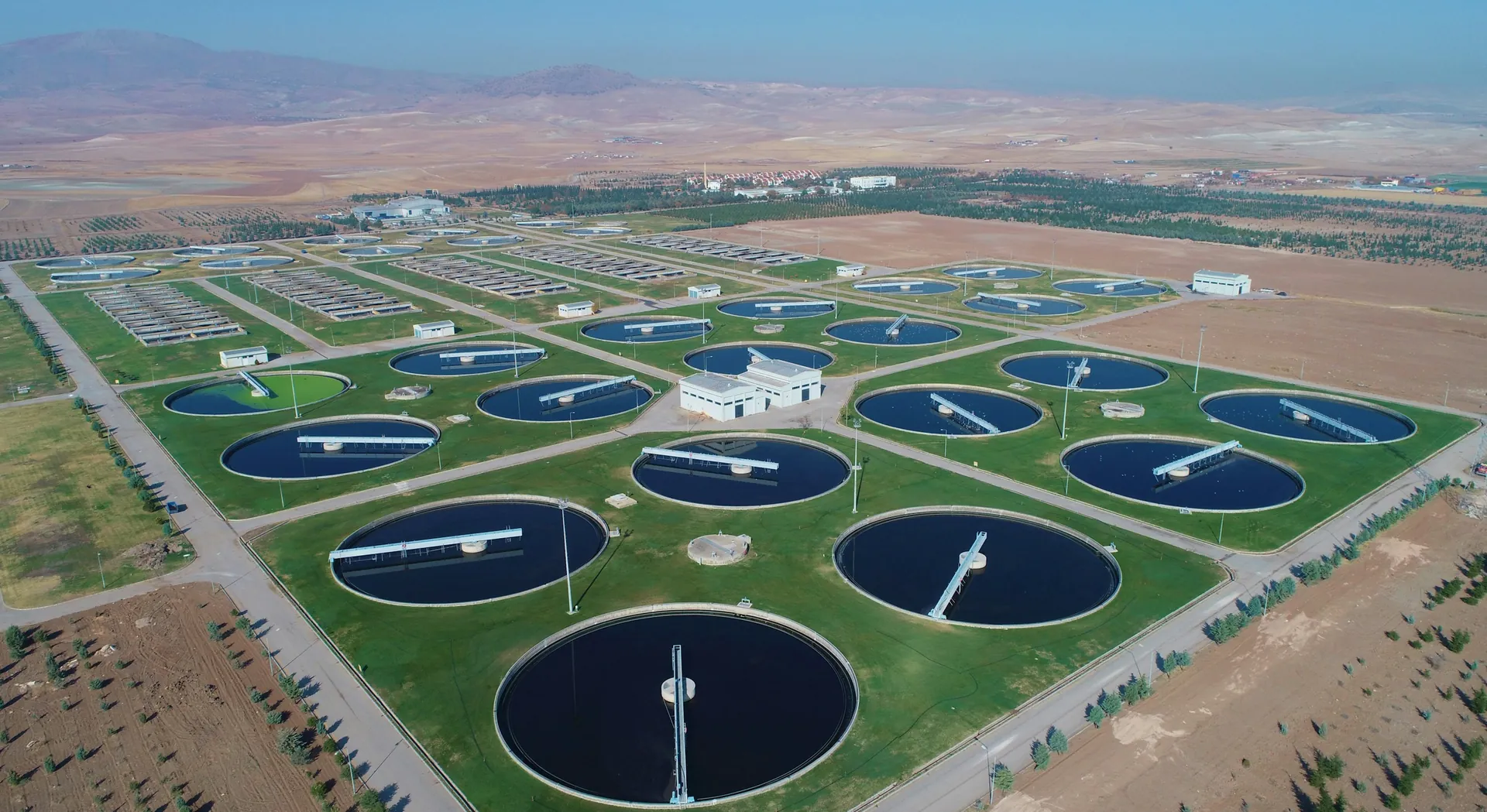
Treatment plant with rows of circular basins in an arid landscape
Experience & projects

The plant experience that makes digitalization work

FlowVexa is a Canadian company based in Calgary, Alberta. Our international experience, built over more than 25 years in water, wastewater and desalination, including about ten and a half years in Saudi Arabia's Eastern Region, now supports new projects and our work to digitize the assets that make plants run. Digitizing an asset well starts with knowing how it behaves in service.

Saudi Arabia experience Desalination & RO Wastewater & greywater Port Sudan SWRO · proposed
International experience · Saudi Arabia

More than two decades of water-sector experience

FlowVexa operates from a Canadian base, backed by hands-on international experience in the Saudi Arabian water industry. Our founder, Hassan Elsheikh, has more than 25 years of experience in water and wastewater, and a significant part of that career was spent in the Kingdom.

That includes about ten and a half years with WETICO / Saudi Berkefeld in Khobar, where he served as Sales Manager, Eastern Region. A regional sales role in water treatment is a technical job as much as a commercial one. It means qualifying a requirement, choosing a process that fits the water and the site, shaping a proposal that an evaluator can compare fairly, and keeping a relationship alive through a project cycle that can run for years.

We bring that experience to every engagement. It shapes how we read a specification, how we explain technology options to a client, which assets we suggest digitizing first, and how we think about the people who will operate the plant after the contractors have left.

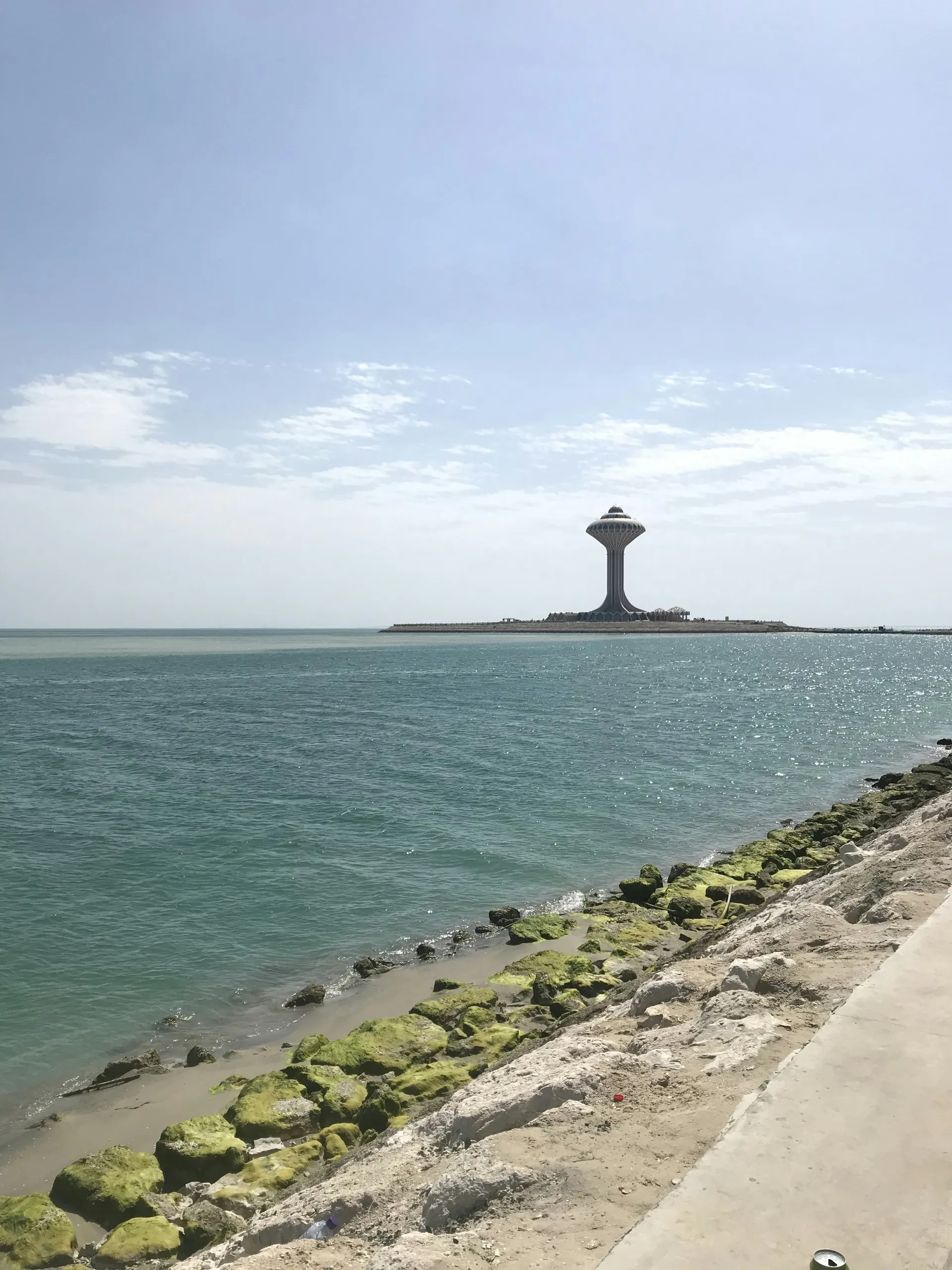
The Khobar Water Tower standing in the sea off Al Khobar, Saudi Arabia
Eastern RegionAl Khobar, Saudi Arabia
Founder

Hassan Elsheikh

Founder & Technical Consultant

  • 25+ years in water and wastewater
  • About 10.5 years with WETICO / Saudi Berkefeld, Khobar
  • Sales Manager, Eastern Region
  • Water treatment, wastewater, desalination, RO and industrial water
  • Technical sales, business development, proposals and technology selection
25+
Years of experience in water and wastewater
~10.5
Years as Sales Manager, Eastern Region, with WETICO / Saudi Berkefeld in Khobar
50,000
m³/day proposed SWRO capacity, Port Sudan (in development)
What it means for clients

Experience that shortens the learning curve

Market understanding

How water projects in the Kingdom are initiated, evaluated and procured, and which stakeholders shape each decision, from end users to consultants and contractors.

Technical proposals

Proposals that respond to the specification, state their assumptions and show how performance will be demonstrated, clear enough for an evaluator to compare fairly.

Technology selection

Matching the process to the feed water, the quality target and the operating context, and weighing energy, chemicals, maintenance and local support alongside capital cost.

Stakeholder relationships

Water projects run for years. Long-standing professional relationships with clients, consultants, contractors and suppliers make that journey smoother.

Areas of expertise

  • Water treatment
  • Wastewater treatment
  • Desalination
  • Reverse osmosis
  • Industrial water
  • Technical sales
  • Business development
  • Client relationships
  • Project development
  • Technical proposals
  • Commercial proposals
  • Technology selection
  • Water-sector stakeholders
Selected project experience

Where our experience has been applied

Our wider professional experience covers water treatment, wastewater, desalination and digital transformation. Three areas of work in Saudi Arabia are worth singling out, because they show the range between process engineering and day-to-day plant operation. That operating knowledge is what makes digitalization work in real plants: an asset is digitized well only by people who know how it fails.

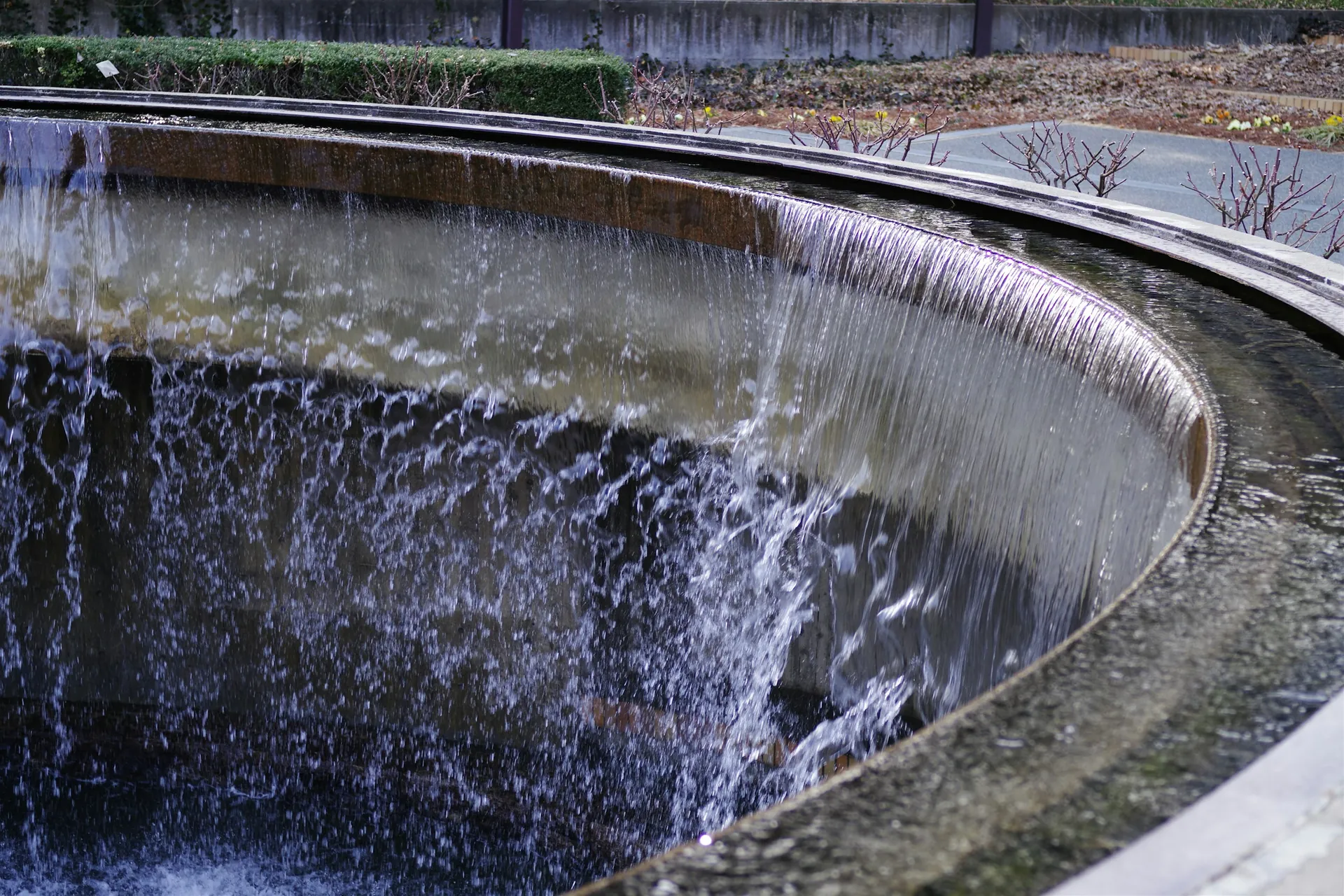
Clear water spilling over the edge of a circular basin
Saudi Arabia · Experience highlight

Greywater treatment plants

Greywater is the relatively light wastewater from sinks, showers and laundry. Treated properly, it can be reused for non-potable purposes such as irrigation, which reduces demand on freshwater supplies. Our experience includes greywater treatment plants in Saudi Arabia, where reuse is a practical way to stretch scarce water.
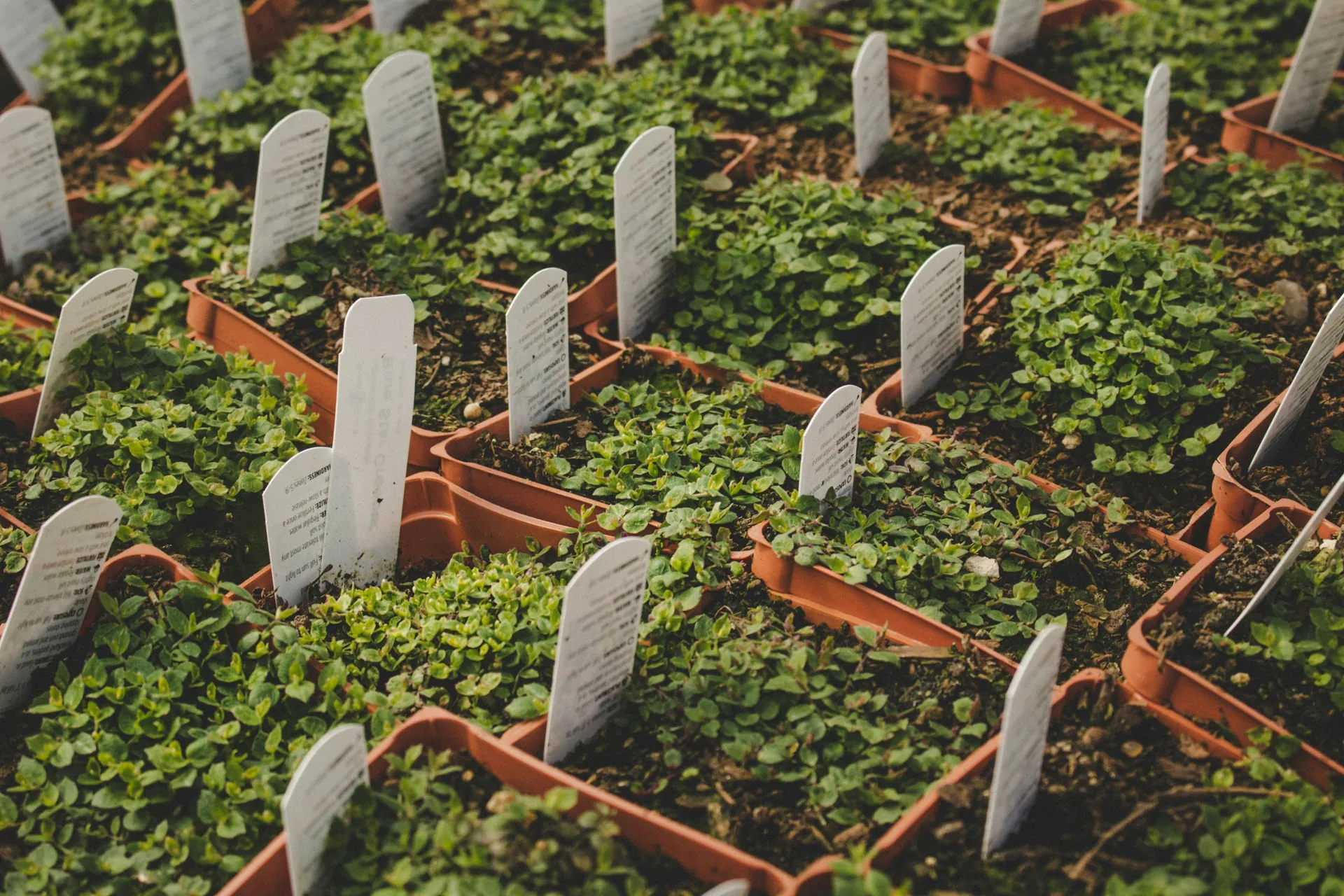
Rows of labelled seedlings in a plant nursery
Saudi Arabia · Experience highlight

Agricultural and nursery desalination

Crops and nursery stock are sensitive to the salinity of their irrigation water. Where the available source is brackish, desalination turns it into water that crops can tolerate. Our experience includes desalination systems for agricultural and nursery applications in Saudi Arabia.

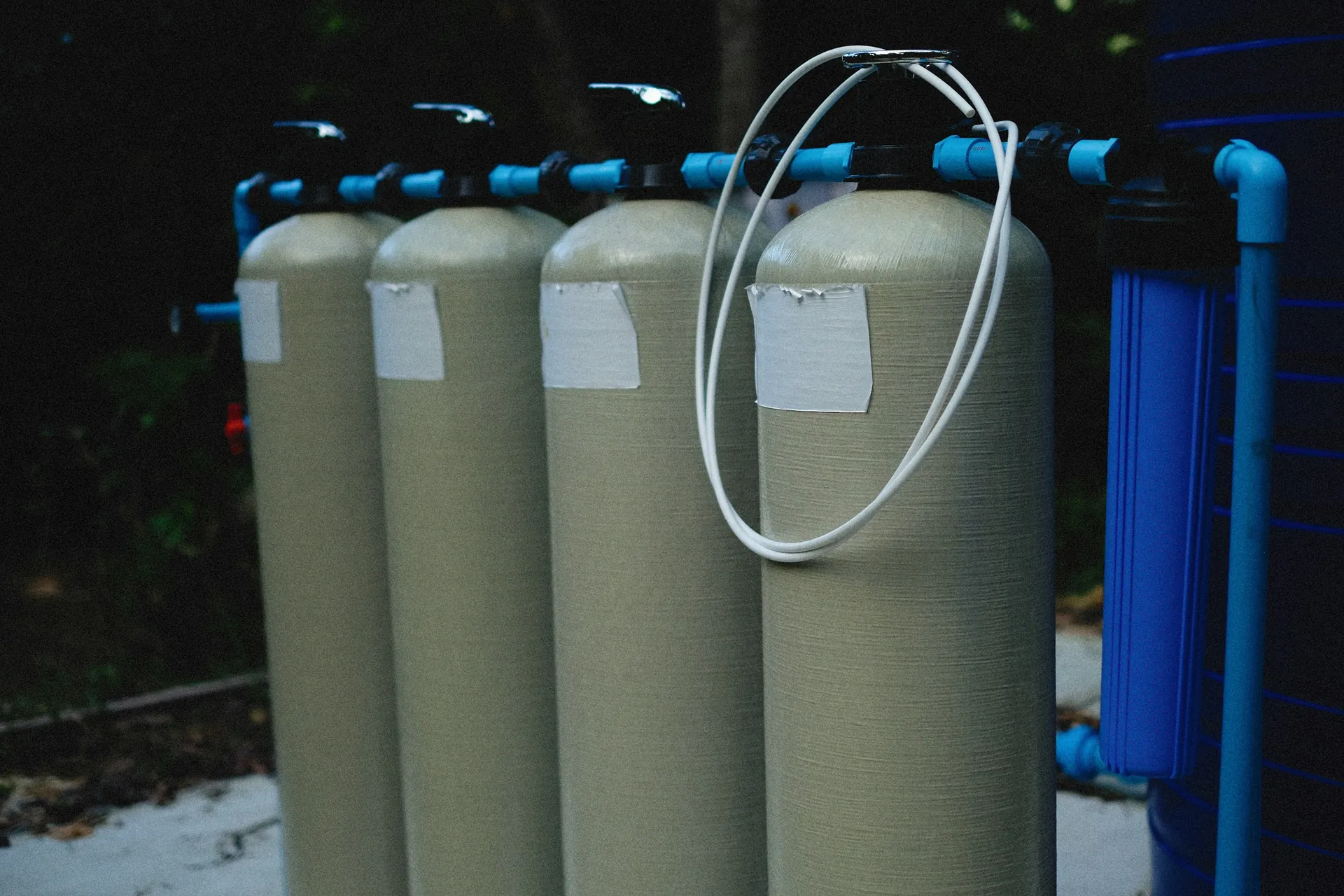
Row of pressure filter vessels on a water treatment skid
Saudi Arabia · Experience highlight

Maintenance across desalination facilities

An RO plant rewards the people who maintain it: membrane cleaning, pretreatment upkeep, pump and instrument care, and trend-based troubleshooting. Our experience includes maintenance activities across multiple desalination facilities in Saudi Arabia, which gives us a practical view of how plants perform after commissioning, and of which signals are worth digitizing.

These highlights describe the type of work our experience covers. They are not a list of named projects. Verified case studies will be added as client approvals are confirmed.

Experience by category

Browse by area of work

Water treatment plants

Filtration, chemical dosing and pumping for potable and process water, with the instrumentation to prove the water leaving the plant is on specification.

Wastewater treatment plants

Municipal and industrial treatment, including biological processes, where steady operation depends on knowing what is happening inside the plant.

Industrial wastewater

Treatment of process effluent so that industrial sites can meet discharge requirements or reuse water on site.

Reverse osmosis

Membrane systems for brackish, process and seawater feeds, from pretreatment through membranes to product-water quality.

Seawater desalination

SWRO plants face high salinity, variable feed quality and heavy pretreatment demands. Our experience also underpins the Port Sudan initiative below.

Brackish-water RO

BWRO systems turn brackish groundwater into usable water for industry, agriculture and communities, at lower energy intensity than seawater plants.

Greywater treatment

Compact treatment trains for sink, shower and laundry water, aimed at safe non-potable reuse. An experience highlight from Saudi Arabia.

Agricultural desalination

Desalination matched to irrigation and nursery needs, where salinity targets are set by the crop rather than by a drinking-water standard.

Plant maintenance

Routine and corrective maintenance across multiple desalination facilities, with attention to membranes, pretreatment, pumps and instruments.

Automation

PLC-based control and instrumentation that keeps treatment processes stable and gives operators clear status and alarms.

SCADA

Supervisory systems that bring field data to the control room, with trends, alarms and reports built around how the plant is actually run.

Digital water

Existing infrastructure digitized, with dashboards, KPIs and analytics layered on top, so operational data becomes something people can act on.

IIoT monitoring

Digitizing pumps, meters, tanks and analyzers for remote monitoring, including long-range LoRaWAN links for distributed assets.

Port Sudan Water Initiative

Supporting sustainable water infrastructure

In development / Proposed

FlowVexa is involved in the development of water-sector opportunities in Sudan, including a proposed 50,000 m³/day seawater reverse osmosis (SWRO) project in Port Sudan. The initiative builds on earlier professional involvement in Port Sudan water infrastructure.

This is a proposed project. It is not a delivered plant, and nothing on this page should be read as a statement that construction or commissioning has taken place.

StatusConcept and development stage. We will share more detail as the initiative progresses and approvals allow.
Proposed SWRO train · schematicIn development
50,000 m³/day PROPOSED SWRO PRODUCTION CAPACITY Seawater feed Pretreatment Screening · filtration Chemical conditioning HP High-pressure pump RO membrane trains Product water Post-treatment Storage · supply Concentrate discharge TYPICAL SWRO TRAIN · SCHEMATIC ONLY, NOT A DESIGN DRAWING
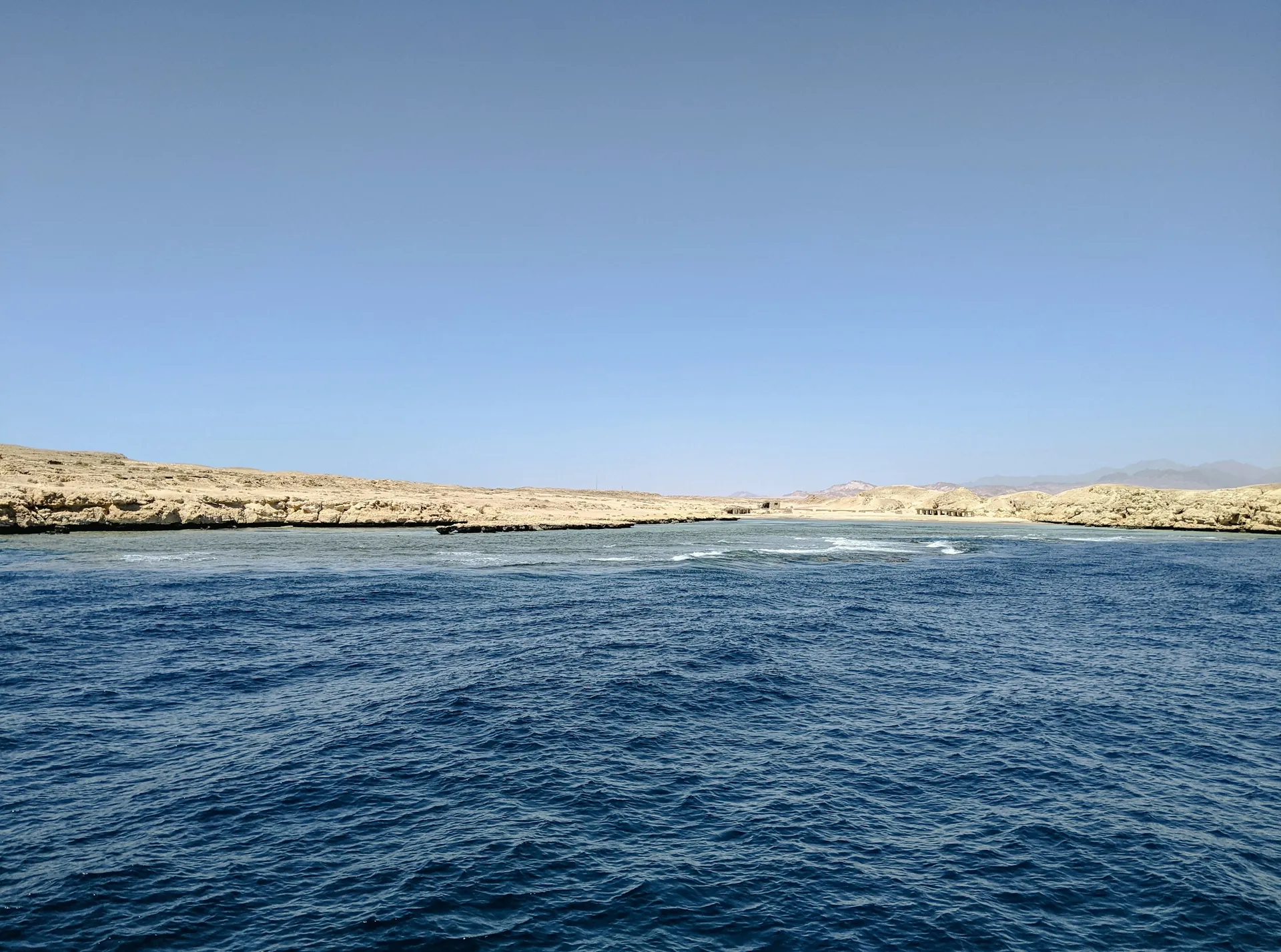
Open sea meeting a low desert coastline
Raw waterSeawater: the raw water for SWRO
Design conditions

What shapes a seawater RO plant on this coast

01

Seawater feed

Intake design, feed temperature and the quality of the raw seawater drive every downstream decision. Measured feed data, not assumptions, should set the design basis.

02

High-salinity conditions

Higher salinity raises osmotic pressure, which affects feed pressure, recovery and specific energy use. It also tightens the margin on membrane and materials selection.

03

Pretreatment

Suspended solids, organics and biological activity foul membranes. The pretreatment train is chosen from the seawater quality and the intake type, and it protects both output and membrane life.

04

Product-water quality

Targets follow the end use and the applicable standards. Permeate usually needs post-treatment, such as pH adjustment, remineralization and disinfection, before it enters supply.

Scope areas

From engineering to commissioning

Engineering

Process design, hydraulic and electrical basis, and the technical documentation that lets others evaluate and build the plant.

Procurement

Sourcing major equipment and materials against specification, with attention to lead times, spares and local support.

Equipment supply

Pumps, membranes, vessels, instrumentation and control equipment selected for the duty and the environment.

Installation

Mechanical, electrical and instrumentation installation, coordinated so the plant can be tested in logical stages.

Commissioning

Start-up, performance verification and operator handover, so the plant is proven against the quality and capacity it was designed for.

Supporting infrastructure

The works around the plant that make it usable, such as intake and outfall, power connection, storage and pumping to the network. Scope is confirmed as the project develops.

Why it matters

Reliable desalinated water for a coastal city

For a coastal city, the sea is the one large water source that does not depend on rainfall.

Cities on arid or semi-arid coasts often have limited freshwater, brackish groundwater and surface supplies that vary with the seasons. Seawater desalination gives them a supply that is independent of rainfall, which matters for public health, hospitals, hotels, industry and the port itself.

It is not free of trade-offs. Desalination uses energy, produces a concentrate stream that has to be managed responsibly, and depends on trained operators and a dependable supply of spare parts and membranes. That is why we treat a plant of this kind as a long-term operating asset rather than a one-time equipment package, and why monitoring, maintenance planning and operator training belong in the conversation from the start.

The aim of the Port Sudan Water Initiative is to support reliable, sustainable water infrastructure, building on earlier professional involvement in the city's water sector.

Project development

The path from concept to operation

Large desalination plants move through a recognizable sequence of phases. The Port Sudan initiative is at the development end of that sequence.

The phases below describe a general project-development sequence. They are not a schedule, and no dates are implied.

  1. Phase 1

    Concept

    Define the need, the target capacity and the rough shape of the solution.

  2. Phase 2

    Feasibility

    Test the concept against site, feed-water data, energy supply, environmental considerations and funding.

  3. Phase 3

    Design

    Develop the process and engineering design, and fix the specification and performance guarantees.

  4. Phase 4

    Procurement

    Select suppliers and contractors, and place orders for long-lead equipment.

  5. Phase 5

    Construction

    Build the civil works, install the equipment and complete the supporting infrastructure.

  6. Phase 6

    Commissioning

    Start up, verify performance and quality, and hand over to operators.

  7. Phase 7

    Operations & maintenance

    Run the plant, monitor performance, maintain membranes and equipment, and keep the people trained.

Project & business development

From opportunity to technical solution

Successful water projects need more than good technology. They need someone to find the real opportunity, understand the client, shape the solution and carry it through to a credible proposal. That is why FlowVexa can act as both a technical partner and a business-development partner in the same conversation.

Discover

Find the project and understand the client.

  • Project opportunity identification: spotting real, fundable needs early.
  • Client engagement: understanding goals, constraints and decision-makers.
  • Site assessment: the water, equipment and conditions on the ground.

Define

Turn the need into a clear technical direction.

  • Technical discussions: clarifying requirements with engineers and operators.
  • Concept development: outlining workable process options.
  • Technology selection: choosing what fits the feed, the target and the site.

Develop

Build a proposal that stands up to evaluation.

  • Technical proposals: clear scope, assumptions and performance basis.
  • Commercial coordination: aligning technical scope with commercial terms.
  • Partner development: bringing in the right suppliers and collaborators.

Deliver

Keep the project moving once it is awarded.

  • Engineering coordination: keeping design, supply and site aligned.
  • Project development: managing the steps that take a concept to execution.
  • Technical representation: speaking for the technology in meetings and reviews.
Presence

Canadian foundation. International experience.

FlowVexa is based in Calgary, Alberta, with an international perspective built on experience in Saudi Arabia and the wider water sector.

  • Calgary, Canada: head office of FlowVexa Digital Water Solutions Inc.
  • Saudi Arabia, Eastern Region (Khobar): the base of our founder's regional water-sector experience.
  • Port Sudan, Sudan: the location of the proposed 50,000 m³/day SWRO initiative.
Serving Canada

Bringing that experience home

We intend to serve Canadian municipalities, water and wastewater utilities and industry, where the same questions arise: how to digitize aging or distributed infrastructure so its data can be reached remotely, how to extend existing control systems, and how to train the people who run them. We are not claiming Canadian project references here. We are describing where we want to work and what we bring to it.

We also aim to connect Canadian innovation and technology capabilities with water and infrastructure opportunities in international markets.

Presence · schematic mapNot to scale
Calgary, Canada HEAD OFFICE Saudi Arabia EASTERN REGION · KHOBAR Port Sudan, Sudan PROPOSED SWRO · IN DEVELOPMENT
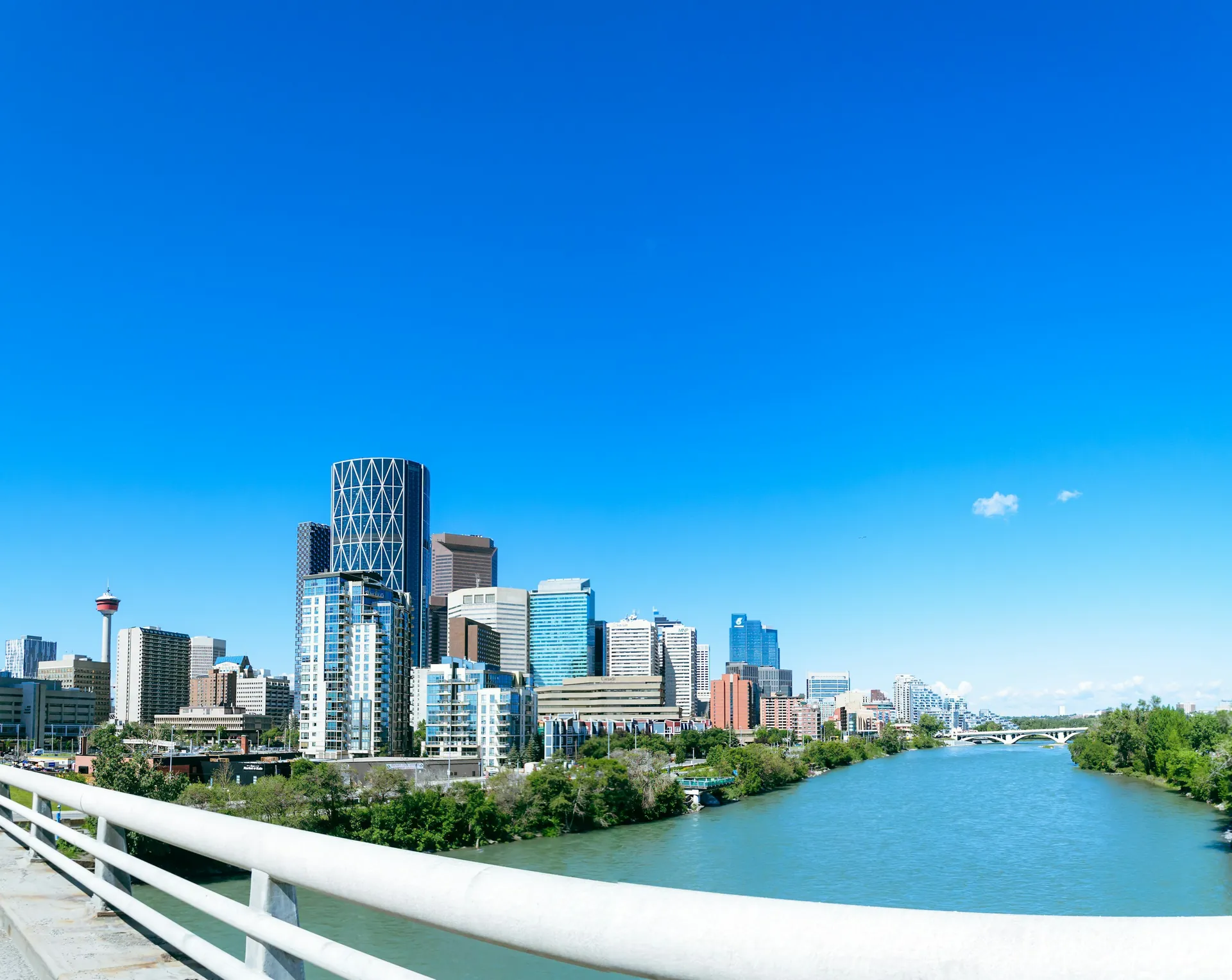
Calgary skyline seen from a bridge over the Bow River
Head officeCalgary, Alberta, Canada
Let's talk

Developing a water project, or digitizing the assets you already run?

Tell us what you are working on, in Canada or abroad. We will give you an honest view of the technology options, what is worth digitizing, the market and the next sensible step.