
Built to close a gap we saw from the inside
For most of the last century, water infrastructure was designed to run reliably and to be checked by people. Operators walked the plant, read gauges, filled in log sheets and drove out to remote sites to see how things were going. That model produced generations of skilled operators, and much of the infrastructure it built is still in service across Canada today.
The expectations have changed. Treatment plants, pumping stations, distribution networks and industrial facilities now need what digitized assets provide: real-time visibility, reliable data, remote monitoring and control, automation and intelligent decision support. Municipalities are renewing aging assets on tight budgets. Industrial operators face stricter discharge requirements and rising energy costs. Rural and remote systems are looked after by small teams covering long distances, often through hard winters.
The technology to help is available. Sensors cost less than they did, low-power radios reach farther, and modern platforms can store and analyze years of operating data. Yet many digitalization projects stall. Too often they are designed by people who know the technology but not the process, or by people who know the process but not the technology.
FlowVexa was founded in Calgary to bridge that gap: to digitize water and industrial assets with the process knowledge to do it properly. Our roots are in water engineering: more than 25 years of work in treatment plants, wastewater systems, desalination and reverse osmosis, technical sales and project development. We pair that with working knowledge of IIoT, LoRaWAN, SCADA, PLCs, smart metering, RFID, analytics and AI.
We understand both sides of the equation: the physical process and the digital layer. That is why our work starts with the process, the equipment and the operational challenge before any technology is chosen, and why we believe digitalization should improve existing infrastructure, not simply replace it.
Process first. Then digitize. Then decide.
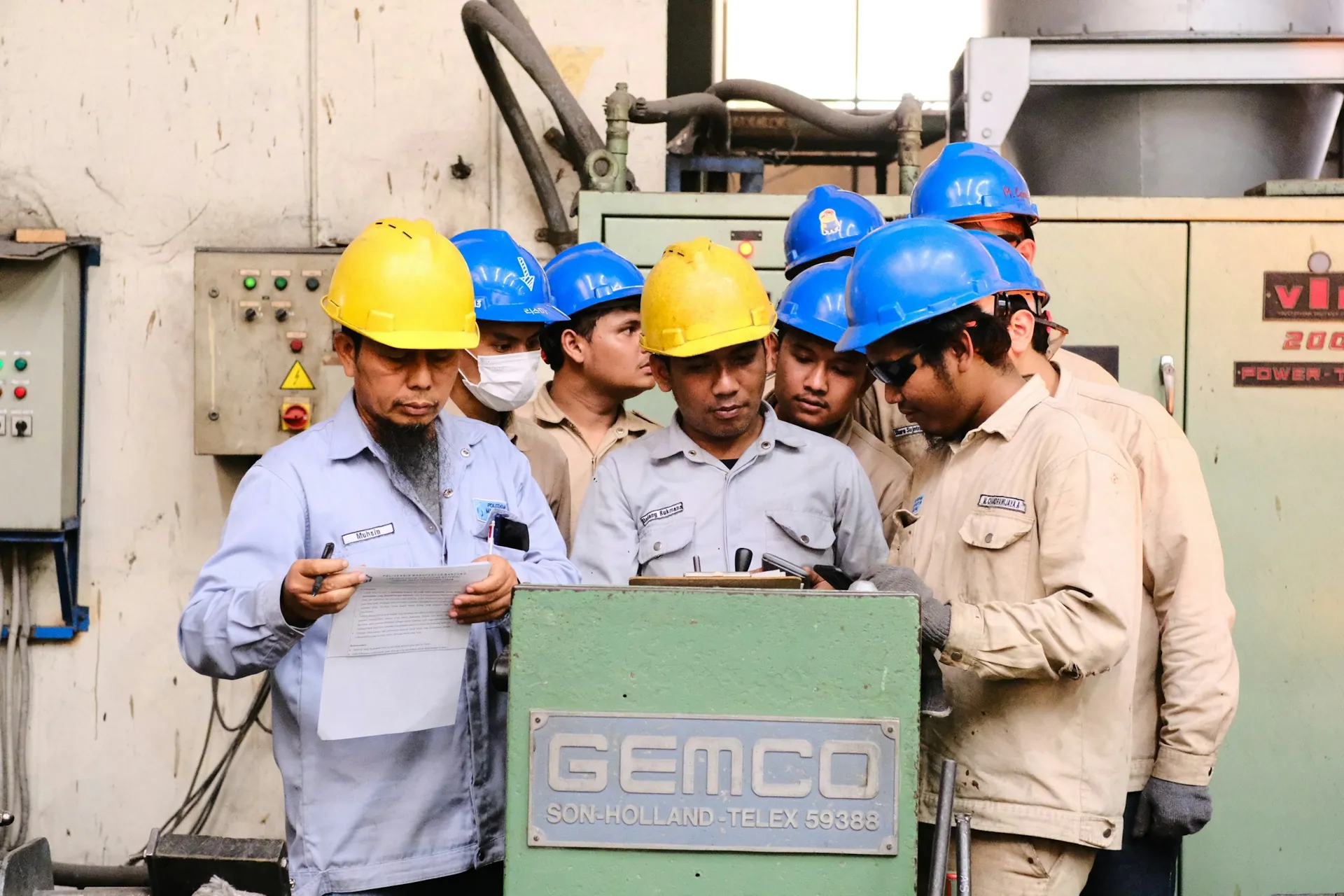
What water infrastructure is now asked to deliver
Real-time visibility
Knowing what is happening at every plant, station and reservoir now, not at the next site visit.
Reliable data
Calibrated instruments and clean records that stand up to operational and regulatory scrutiny.
Remote operation
Remote monitoring and control that reduce long drives and let small teams cover wide areas.
Decision support
Trends, KPIs and early warnings that turn measurements into confident action.