
Downtown Calgary and the Bow River on a summer day
About FlowVexa

Where water engineering meets the digital layer

FlowVexa Digital Water Solutions Inc. is a Canadian engineering and technology company based in Calgary, Alberta. We help municipalities, water utilities and industrial operators digitize their assets and turn conventional infrastructure into connected, measurable and intelligent operations, backed by more than 25 years of hands-on water experience.

Calgary, Alberta Founder-led 25+ years in water Engineering · Technology · Training
Our story

Built to close a gap we saw from the inside

For most of the last century, water infrastructure was designed to run reliably and to be checked by people. Operators walked the plant, read gauges, filled in log sheets and drove out to remote sites to see how things were going. That model produced generations of skilled operators, and much of the infrastructure it built is still in service across Canada today.

The expectations have changed. Treatment plants, pumping stations, distribution networks and industrial facilities now need what digitized assets provide: real-time visibility, reliable data, remote monitoring and control, automation and intelligent decision support. Municipalities are renewing aging assets on tight budgets. Industrial operators face stricter discharge requirements and rising energy costs. Rural and remote systems are looked after by small teams covering long distances, often through hard winters.

The technology to help is available. Sensors cost less than they did, low-power radios reach farther, and modern platforms can store and analyze years of operating data. Yet many digitalization projects stall. Too often they are designed by people who know the technology but not the process, or by people who know the process but not the technology.

FlowVexa was founded in Calgary to bridge that gap: to digitize water and industrial assets with the process knowledge to do it properly. Our roots are in water engineering: more than 25 years of work in treatment plants, wastewater systems, desalination and reverse osmosis, technical sales and project development. We pair that with working knowledge of IIoT, LoRaWAN, SCADA, PLCs, smart metering, RFID, analytics and AI.

We understand both sides of the equation: the physical process and the digital layer. That is why our work starts with the process, the equipment and the operational challenge before any technology is chosen, and why we believe digitalization should improve existing infrastructure, not simply replace it.

Two sides of one systemFlowVexa
FlowVexa bridges the physical water process, such as intake, pretreatment, RO membranes, biological treatment and chemical dosing, with the digital layer of sensors, PLC and SCADA, LoRaWAN telemetry, dashboards and analytics. PHYSICAL PROCESS DIGITAL LAYER Intake & pumpingPretreatmentRO membranesBiological treatmentChemical dosing Sensors & metersPLC & SCADALoRaWAN & telemetryDashboards & KPIsAnalytics & AI ONE TEAM THAT UNDERSTANDS BOTH

Process first. Then digitize. Then decide.
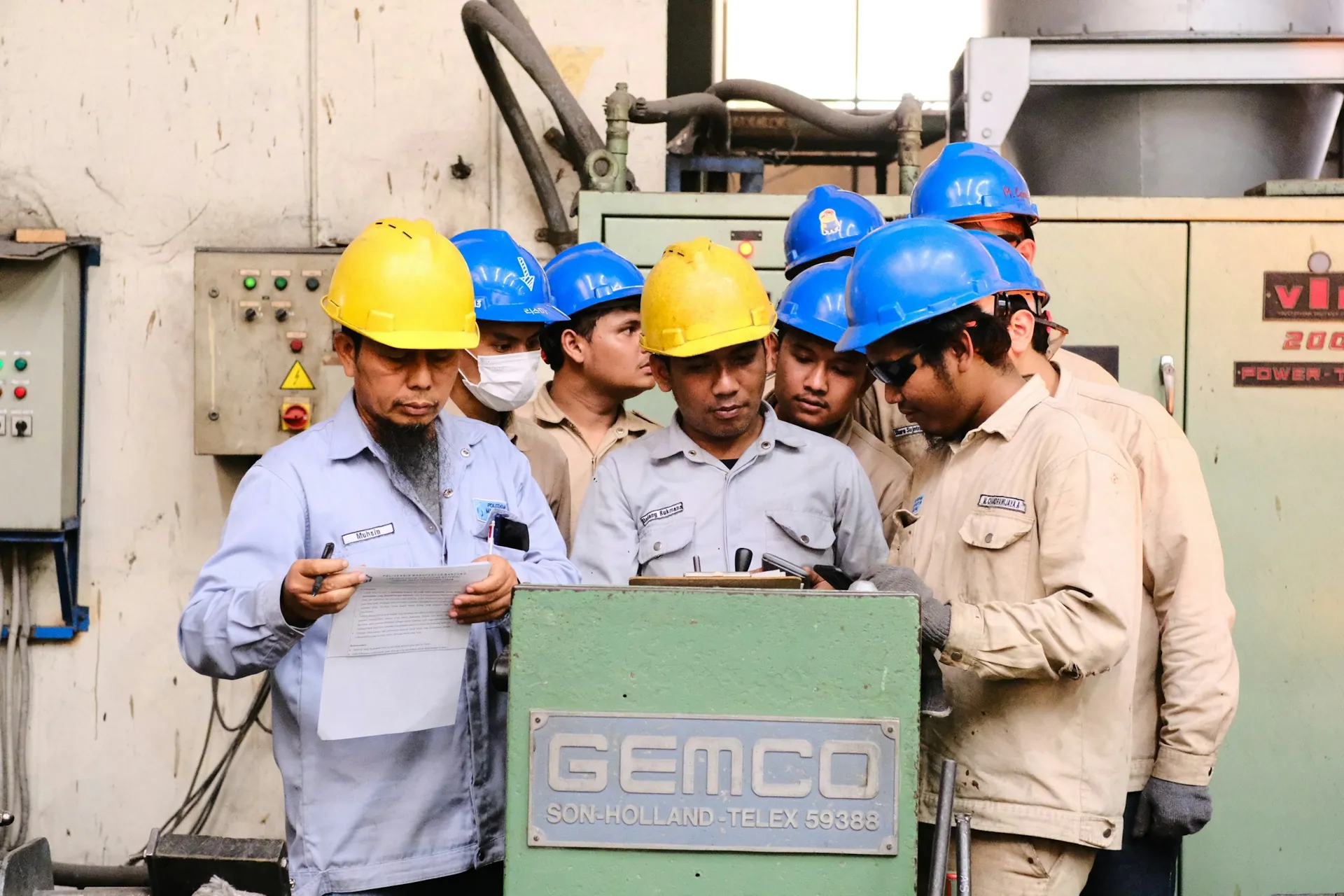
Team of technicians in hard hats reviewing a procedure beside equipment
On siteGood digitalization starts with the people who run the plant.

What water infrastructure is now asked to deliver

Real-time visibility

Knowing what is happening at every plant, station and reservoir now, not at the next site visit.

Reliable data

Calibrated instruments and clean records that stand up to operational and regulatory scrutiny.

Remote operation

Remote monitoring and control that reduce long drives and let small teams cover wide areas.

Decision support

Trends, KPIs and early warnings that turn measurements into confident action.
Purpose, vision & values

Our purpose

To digitize water infrastructure so the people who run it can see clearly, act early and leave every system better than they found it.

Digitized assets. Better decisions. Sustainable operations.

A future in which water and industrial infrastructure, whether new or decades old, is digitized, measurable, efficient and intelligently managed, and the people responsible for it have the right information at the right time.

Our vision is not a plant run by software. It is a plant, a network or an industrial water system where the operator on shift, the maintenance planner and the manager preparing a budget are all working from the same reliable digital picture.

  • For a municipality, it means knowing reservoir levels, pump health and water quality across the whole system without driving to every site.
  • For an operator, it means fewer nuisance alarms, earlier warnings and more time for the work that needs a skilled person.
  • For an industrial facility, it means process water, wastewater and energy that are measured, understood and steadily improved.
Our approach

Understand → Connect → Analyze → Improve

A simple sequence for digitalization, applied with discipline. Each stage answers a clear question before the next one begins, so the technology always follows the problem and never the other way around.

Understand

The process, equipment, infrastructure and operational challenge.

Connect

Sensors, meters, equipment, PLCs, SCADA and other information sources.

Analyze

Data turned into trends, KPIs, alarms and actionable information.

Improve

Reliability, efficiency, maintenance and decision-making.

StageKey questionsTypical activitiesWhat you receive
Understand What is the facility trying to achieve? Where are the bottlenecks, failures and blind spots? What data already exists, and can it be trusted? Site visits, operator interviews, review of P&IDs, control narratives and historical records, instrument and network survey. A clear problem statement, an inventory of assets and data sources, and priorities agreed with your team.
Connect Which signals matter? How can they be read without disturbing control? Which communication method suits the site: wired, cellular or LoRaWAN? Instrument selection, gateway and edge design, protocol integration (Modbus, OPC UA, DNP3, MQTT), network segmentation and secure remote access. A reliable, secure and documented data path from the field to the platform.
Analyze What does normal look like? Which KPIs and alarms help, and which only create noise? Data validation, dashboards, KPI definitions, alarm rationalization, trend and anomaly analysis. Information that operators and managers use every day, not just data that is stored.
Improve What changes as a result? How is the benefit measured and sustained? Operating adjustments, maintenance planning, energy and chemical optimization, training, periodic review. Better reliability, efficiency and decisions, and a team equipped to sustain them.
Do not replace what works. Connect it, extend it and make the data more useful.
Principle 01 · Integration before replacement

Many facilities run PLCs and SCADA systems that still do their job well. We look first at what can be read, bridged or extended, and recommend new hardware only where the existing system cannot deliver.

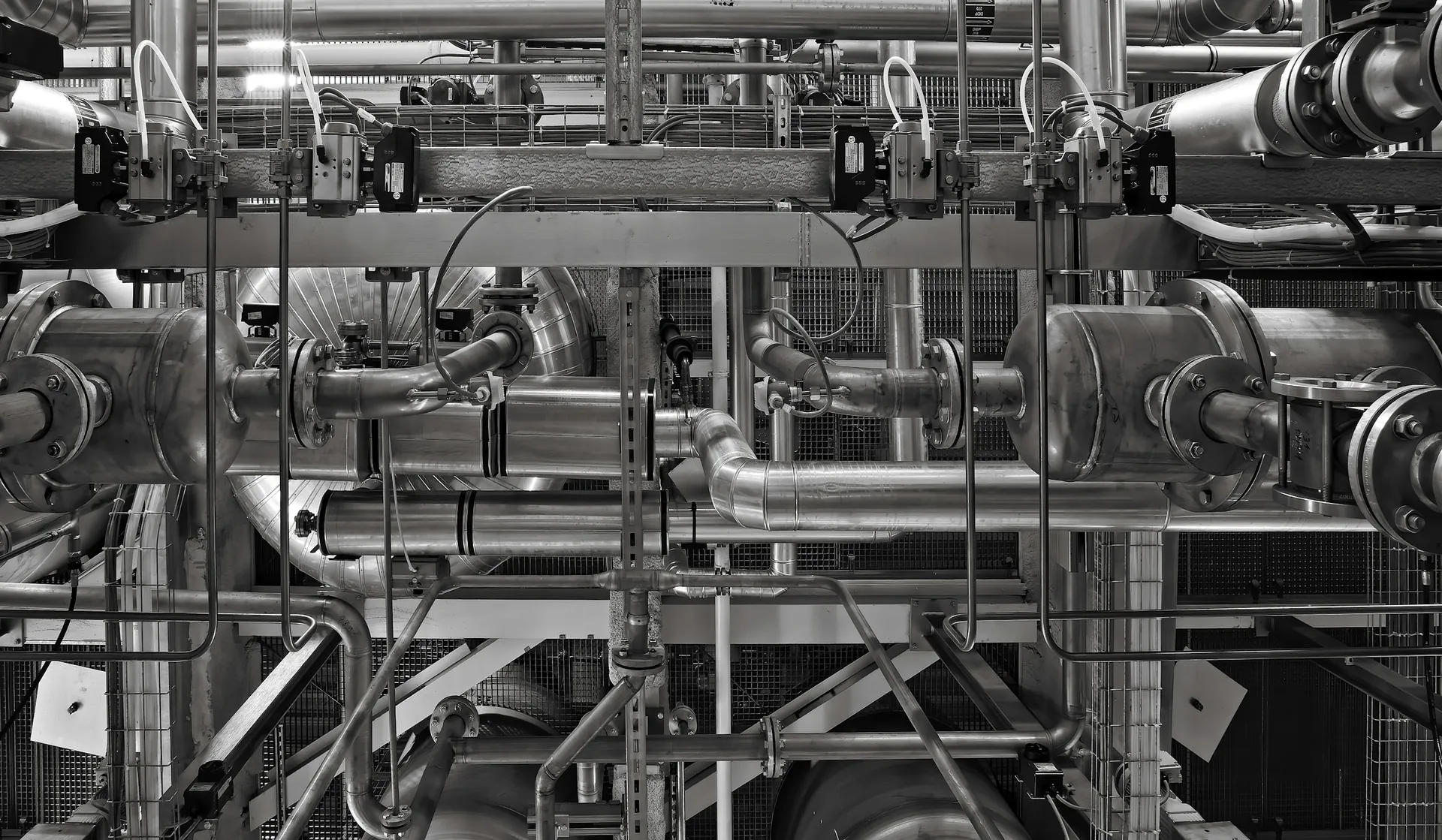
Dense network of stainless-steel process pipes and valves
Existing infrastructureDecades of investment, still in service.
Principle 02

Technology must solve a real operational problem

Every sensor, dashboard and model should trace back to a question someone on site needs answered. If we cannot name that question, we do not recommend the technology.

Principle 03

People + process + technology

Lasting improvement needs all three. A well-designed system still fails if the people running it were never trained, or if the process it monitors is poorly understood. We plan for each from the start.

Leadership

Led by a water specialist, not a software vendor

Portrait of Hassan Elsheikh, founder of FlowVexa Digital Water Solutions

Hassan Elsheikh

Founder & Technical Consultant · Calgary, Alberta

hassan@flowvexa.ca

Hassan Elsheikh is the founder of FlowVexa and a technical consultant with more than 25 years of professional experience in water and wastewater.

His career spans water treatment, wastewater treatment, desalination, reverse osmosis and industrial water, on both the technical and the commercial side of the industry. That combination matters: he has seen projects from the plant floor, from the proposal table and from the client's side of the conversation.

A significant part of that career was built in Saudi Arabia, one of the world's largest desalination markets. For about ten and a half years he worked with WETICO / Saudi Berkefeld in Khobar as Sales Manager – Eastern Region, where his work covered technical sales, business development, client relationships, technology selection, and technical and commercial proposals with a wide range of water-sector stakeholders.

The wider professional experience behind FlowVexa includes projects in Saudi Arabia involving greywater treatment plants, desalination systems for agricultural and nursery applications, and maintenance activities across multiple desalination facilities.

Hassan founded FlowVexa in Calgary to combine that technical and commercial depth with the digitalization now reshaping the sector, and to put it to work for Canadian municipalities, utilities and industrial operators as well as international partners. As founder, he leads FlowVexa's technical, business-development and training activities.

  • Water treatment
  • Wastewater treatment
  • Desalination
  • Reverse osmosis
  • Industrial water
  • Technical sales
  • Business development
  • Client relationships
  • Project development
  • Technical & commercial proposals
  • Technology selection

Career highlights

  1. Foundation

    Water and wastewater engineering

    More than 25 years across water treatment, wastewater treatment, desalination, reverse osmosis and industrial water.

  2. Khobar, Saudi Arabia

    WETICO / Saudi Berkefeld

    About ten and a half years as Sales Manager – Eastern Region: technical sales, business development, proposals and technology selection.

  3. Project experience

    Greywater, agricultural desalination and plant maintenance

    Greywater treatment plants, desalination for agricultural and nursery applications, and maintenance across multiple desalination facilities in Saudi Arabia.

  4. Calgary, Alberta

    Founding FlowVexa

    A Canadian company that digitizes assets for municipal, utility and industrial operators, built on a foundation of water engineering.

  5. International

    Port Sudan Water Initiative

    Development of a proposed 50,000 m³/day SWRO project, building on earlier professional involvement in Port Sudan water infrastructure.

See our project experience
Canada & international

Canadian foundation. International experience.

FlowVexa is based in Calgary, Alberta, and Canada is our home market.

Canadian water and industrial infrastructure has its own character: long winters that test enclosures, instruments and batteries; long distances between assets and the people who look after them; aging municipal systems that need to be renewed carefully rather than all at once; and a strong culture of operator certification and provincial regulatory reporting.

Those conditions suit the work we do: digitizing distributed assets with remote monitoring and long-range telemetry, better use of the data existing SCADA systems already collect, and training that helps operators and technicians work confidently with new tools. Our services are designed for municipalities, water utilities, industrial and energy operators across Western Canada and beyond, including rural, remote and Indigenous community systems where a routine site check can mean hours on the road.

Our perspective is also international. Much of our founder's experience was built in Saudi Arabia, in desalination, RO and industrial water. In Sudan, FlowVexa is helping develop a proposed 50,000 m³/day seawater RO project in Port Sudan. We aim to connect Canadian innovation and technology capabilities with water and infrastructure opportunities abroad, and to bring those international lessons home.

Stylized map showing FlowVexa's home base in Calgary, Canada, connected to its experience in Khobar, Saudi Arabia, and the proposed seawater RO initiative in Port Sudan, Sudan. CALGARY Home base · Alberta, Canada KHOBAR Saudi experience PORT SUDAN Proposed SWRO
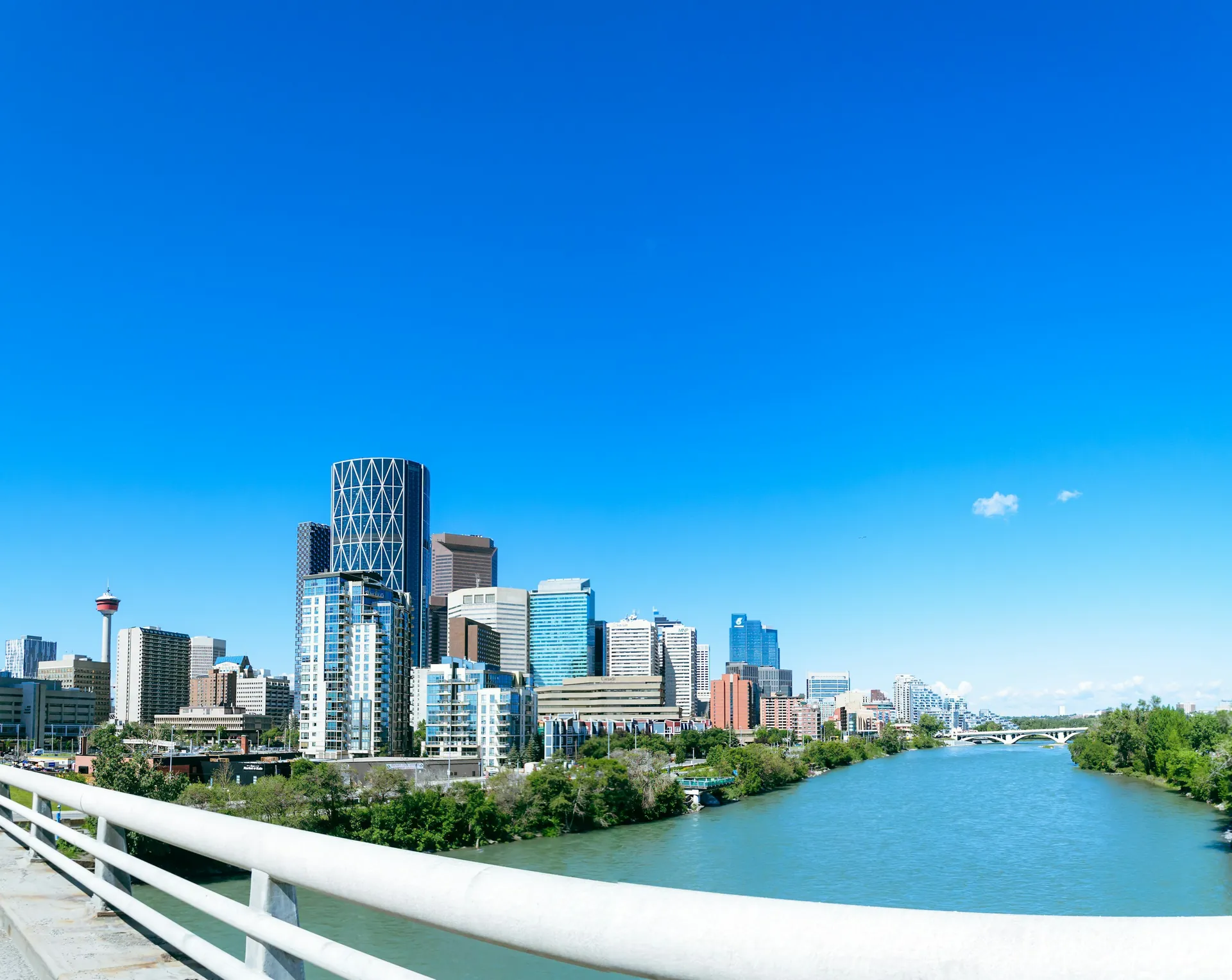
Calgary skyline seen from a bridge over the Bow RiverCalgary, Alberta
Home base

Calgary, Alberta, Canada

Headquarters and home market. Engineering, asset digitization and Academy programs for Canadian municipalities, utilities and industrial operators.

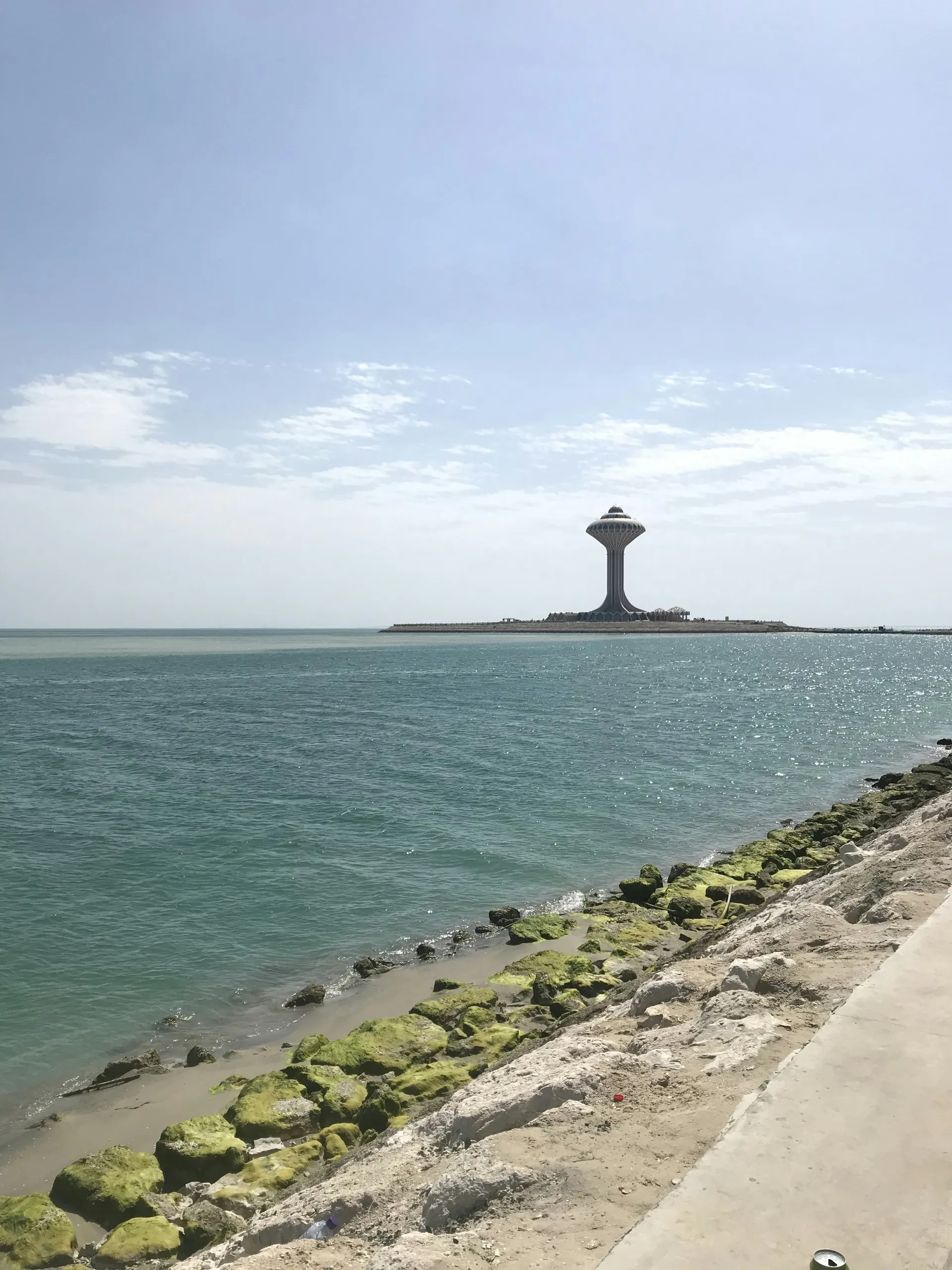
The Khobar Water Tower standing in the sea off Al Khobar, Saudi ArabiaAl Khobar, Saudi Arabia
Experience

Al Khobar, Saudi Arabia

Where much of our founder's water-sector experience was built, including about ten and a half years with WETICO / Saudi Berkefeld. Market development support

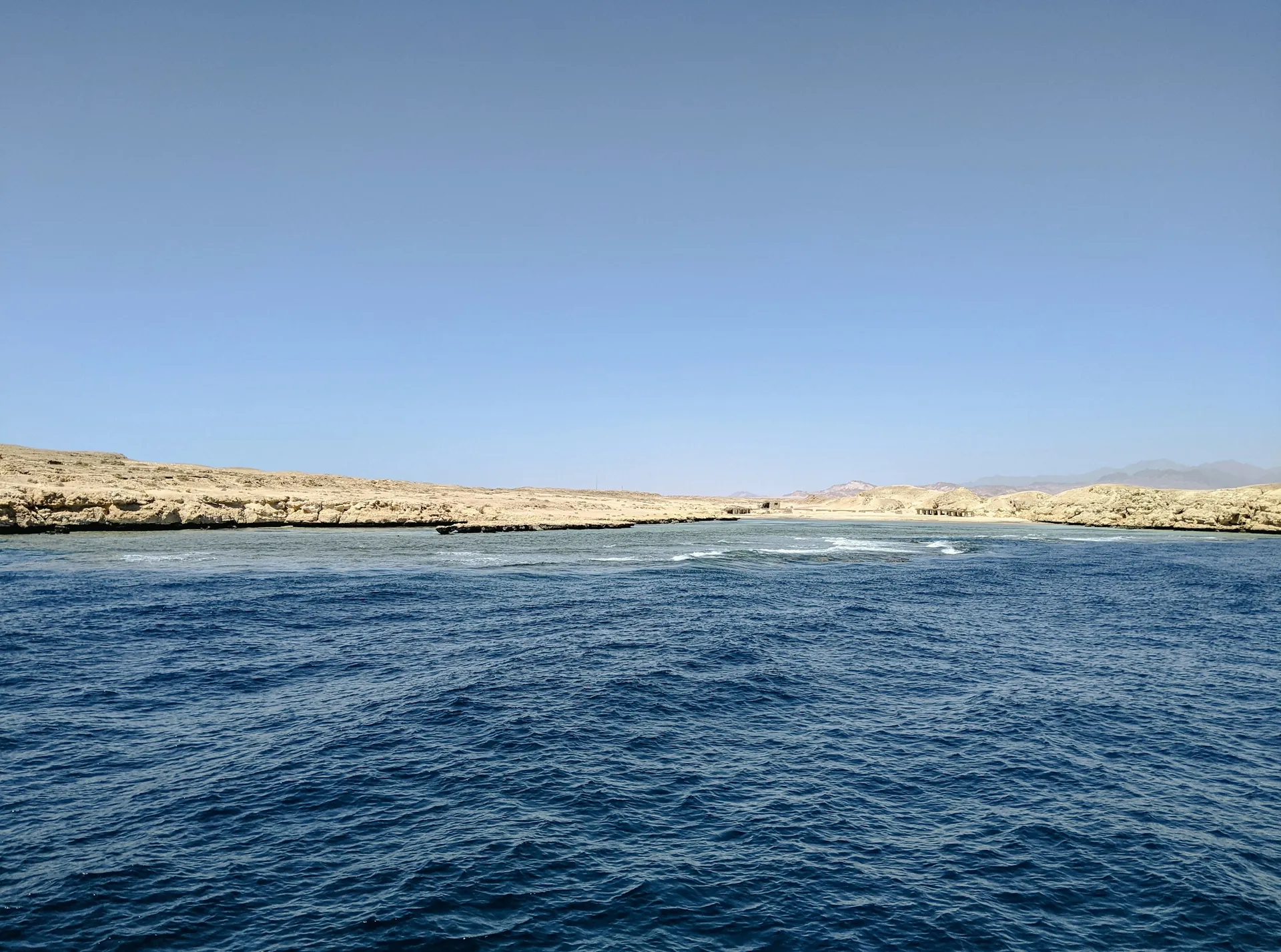
Open sea meeting a low desert coastlineSeawater
Proposed · In development

Port Sudan, Sudan

A proposed 50,000 m³/day seawater RO project, building on earlier professional involvement in the city's water infrastructure. Read more

Moraine Lake and the Valley of the Ten Peaks, Alberta
Moraine Lake, Alberta

What we measure well, we protect better.

Sustainability & water stewardship

Better data is better stewardship

Water and the energy and chemicals used to treat and move it are finite resources. The most sustainable improvement is often the one that makes existing infrastructure work better and last longer, and digitizing it is often where that starts.

We do not publish savings figures we cannot verify. Benefits depend on each site, its condition and how it is operated, so we define the measures with you and track them together.

Find losses sooner

Flow, pressure and metering data help locate leaks, unbilled consumption and pressure problems in distribution networks before they grow.

Use less energy

Pumping, aeration and high-pressure RO are among the largest energy users in water. Monitoring them is the first step to running them efficiently.

Dose precisely

Continuous pH, ORP, residual chlorine and conductivity data support chemical dosing that matches demand rather than a fixed schedule.

Extend asset life

Keeping what works and maintaining it on condition reduces waste, avoids premature replacement and spreads capital further.

Make reuse practical

Monitoring and control give operators the confidence to reuse treated wastewater, greywater and industrial process water safely.

Protect receiving waters

Reliable effluent and concentrate monitoring helps facilities meet discharge requirements and respond quickly when conditions change.

FAQ

Questions about FlowVexa

What does FlowVexa do?

FlowVexa is a Canadian engineering and technology company. We digitize water, wastewater and industrial assets and make their data accessible for faster analysis, remote monitoring and control, and easier decisions. To do that, we combine practical experience in water, wastewater, desalination and industrial water with digital technologies including IIoT, LoRaWAN, SCADA, PLC, smart sensors, smart metering, RFID asset tracking, data analytics, AI and predictive maintenance. We also offer consulting and advisory services, business development support, partnerships and professional training through FlowVexa Academy.

Where is FlowVexa based, and where do you work?

We are based in Calgary, Alberta, and Canada is our home market. Our perspective is international: our founder's experience was largely built in Saudi Arabia, and we are involved in developing a proposed seawater RO project in Port Sudan. Engagements elsewhere are discussed case by case, and much of the early assessment and training work can be delivered online.

Who are your services designed for?

Municipalities and water utilities, industrial and energy operators, organizations in oil and gas, agriculture and data centres, and infrastructure owners, including those responsible for rural and remote community systems. We also work alongside engineering firms, system integrators and technology providers, and we train individuals and teams through the Academy.

Do we have to replace our existing PLC or SCADA system?

Usually not. Our guiding principle is "Do not replace what works. Connect it, extend it and make the data more useful." Gateways, edge devices and open protocols such as Modbus, OPC UA, DNP3 and MQTT can often read data from installed systems without changing the control logic. We recommend new hardware only when the existing system cannot meet the need.

How does an engagement usually begin?

With a conversation about the operational problem you want to solve. From there, we typically review existing information, visit the site where useful and agree on priorities with your team before proposing a concept, a scope and a plan. You can reach us at hassan@flowvexa.ca or through our contact page.

How do you handle cybersecurity when connecting operational systems?

As part of the design, not an add-on. Connecting operational technology adds exposure, so we plan network segmentation, access control, secure remote connectivity and data protection from the start, and make sure the people maintaining the system understand them. Cybersecurity awareness is also part of our Academy curriculum. See OT cybersecurity.

Is the Port Sudan project complete?

No. The Port Sudan Water Initiative is a proposed 50,000 m³/day seawater reverse osmosis project that FlowVexa is helping to develop. It is in development, not a delivered project, and we describe it that way throughout this site.

Can we book training without a technology project?

Yes. FlowVexa Academy offers professional training, technical workshops, online learning and customized corporate programs on their own. Programs can be delivered live online, self-paced or on-site. Visit the Academy for tracks and delivery options.

Let's talk

Tell us about the assets you want to digitize.

Whether it is a plant that needs better visibility, a network of remote sites to monitor and control, a team ready for new skills or a project still taking shape, start with a conversation with our team.